ANDREA LI

LIMITED COLLECTIONS

Carolyn's Three Necklaces: Heirlooms Become Something New

CommissionAndrea Li
Collage featuring a green gemstone statement necklace, client photos, and “Client Stories Carolyn” text on a soft neutral background.

Carolyn's Three Necklaces: When Heirlooms Become Something New

Carolyn and I have been friends for a long time. The kind of friends where the work threads itself through the friendship, where the line between "a piece I want you to make for me" and "pieces we made together over years" becomes the relationship itself.

The first commission came up one evening during a conversation. I was telling Carolyn about a project I had been turning over: taking older pieces that did not quite suit their owner anymore and reimagining them into something new, something the owner would actually wear. Carolyn went still for a second, the way people do when a sentence lands somewhere it was already going. She had a green jade pendant from her aunt sitting in her jewelry box, she said. Unworn. Beautiful but not suited to her style. She loved it because it had belonged to her aunt. She did not wear it because it never felt like her.

That sentence is the whole reason for this piece you are reading. Most jewelry buyers know this exact grief. A piece you love without wearing. A piece you cannot give back, cannot give away, cannot melt down, cannot quite bring yourself to keep in stasis forever. The drawer is full of pieces like this in houses everywhere, and the inheritor carries a quiet weight about them that nobody really talks about.

Over the next five years, Carolyn and I worked together on three of them. This is the story of those three necklaces, told in the order they came to me.

The Jade Pendant (2012–2013)

The first piece was the green jade. Carolyn's aunt had chosen it for her own taste, which was a different taste than Carolyn's, but the sentimental weight of it being from her aunt made simply not wearing it feel like a small ongoing betrayal. She wanted to know if we could bring it into her style without losing what made it her aunt's.

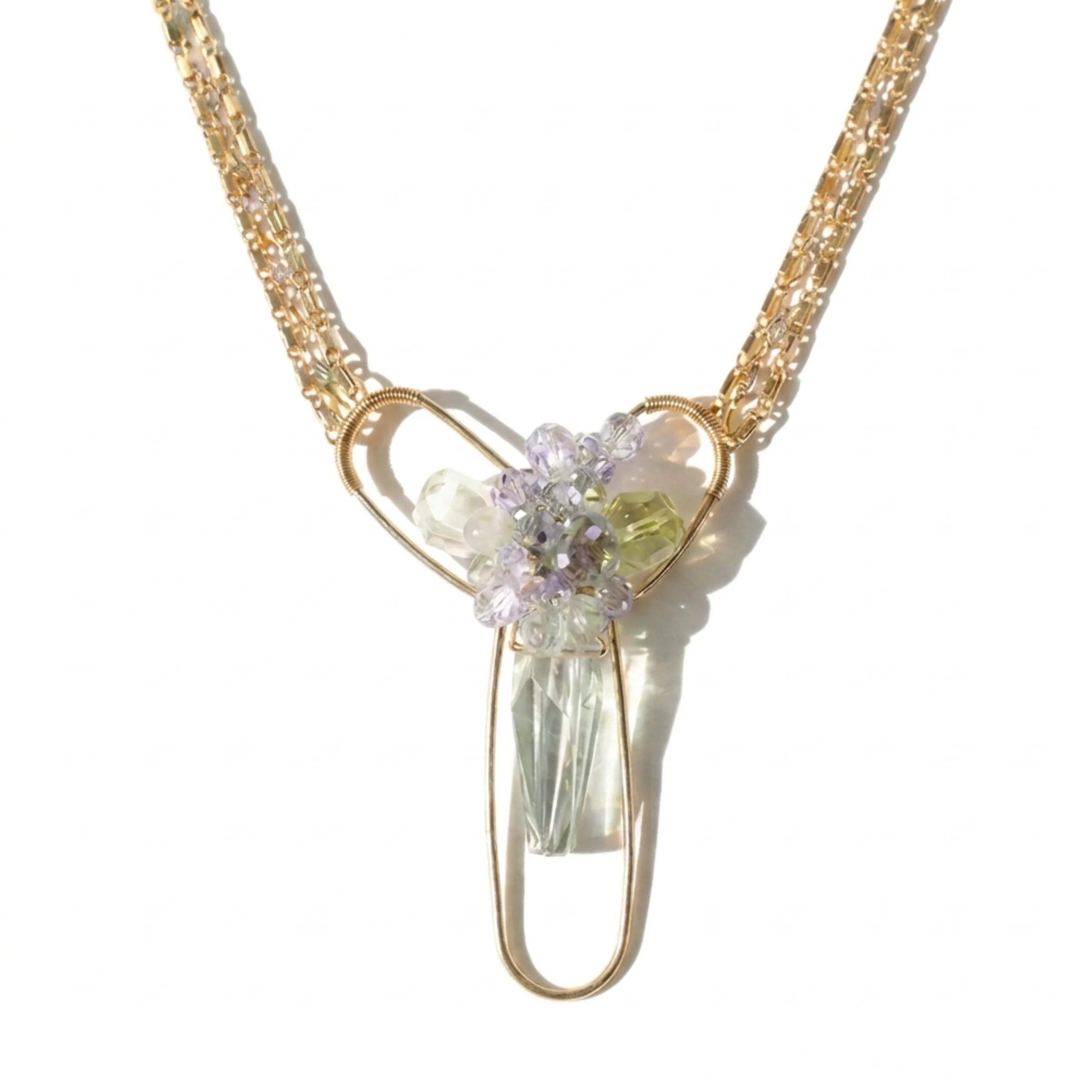
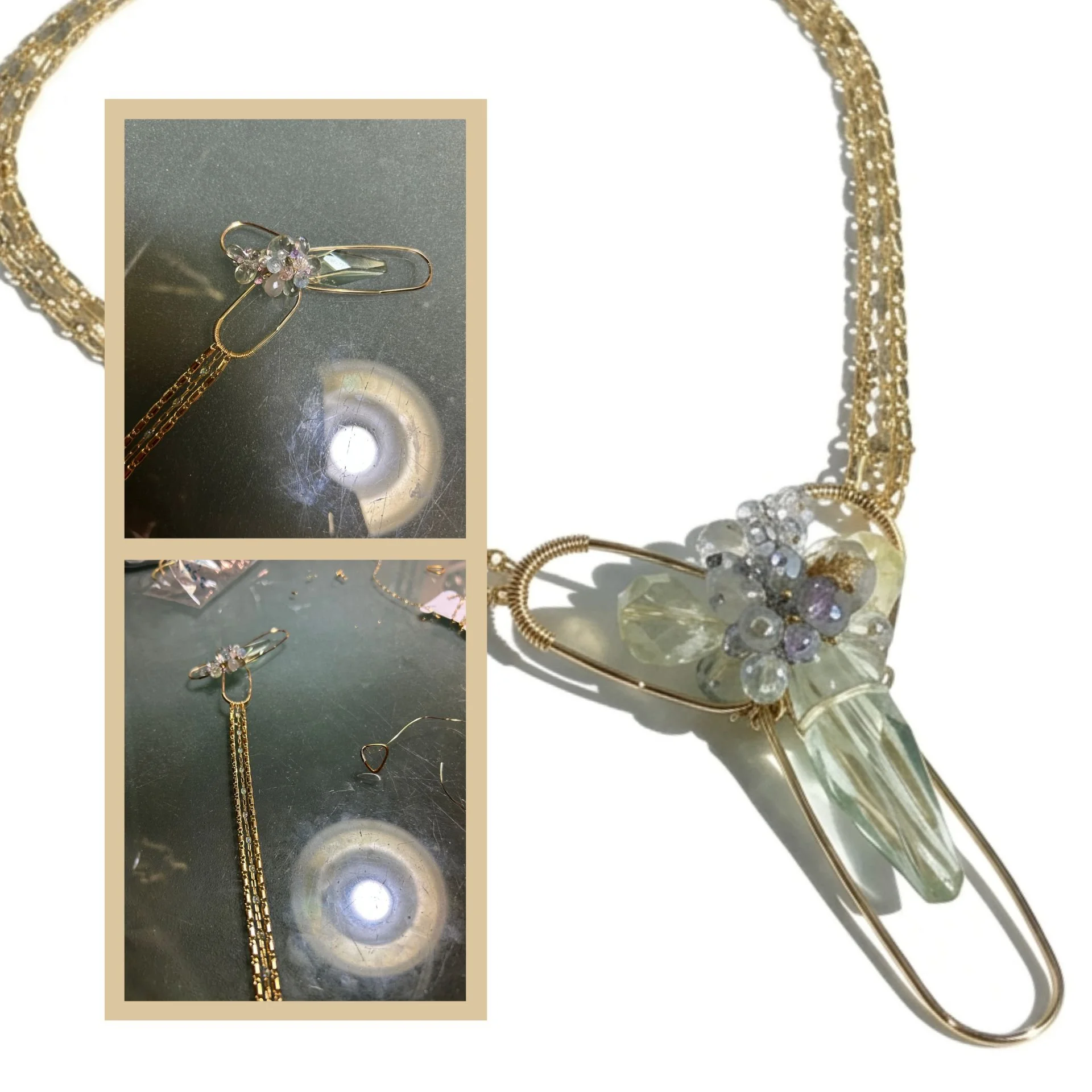
The first thing I want any reader who has a piece like this to know: I never melt the original. The jade pendant is still the jade pendant. It sits at the center of an asymmetrical multi-chain necklace I built around it. The work was in what surrounded the pendant, not in changing the pendant itself.

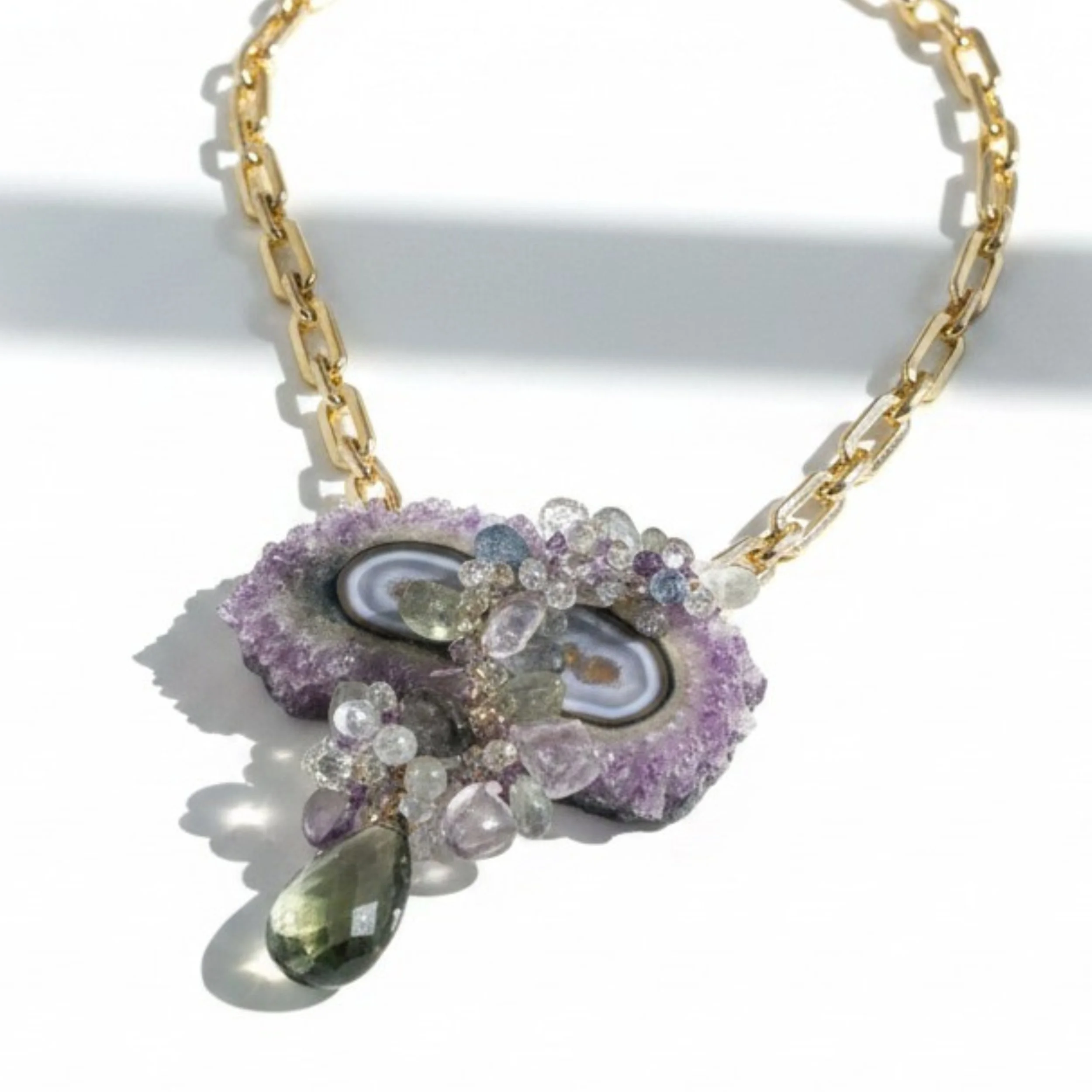
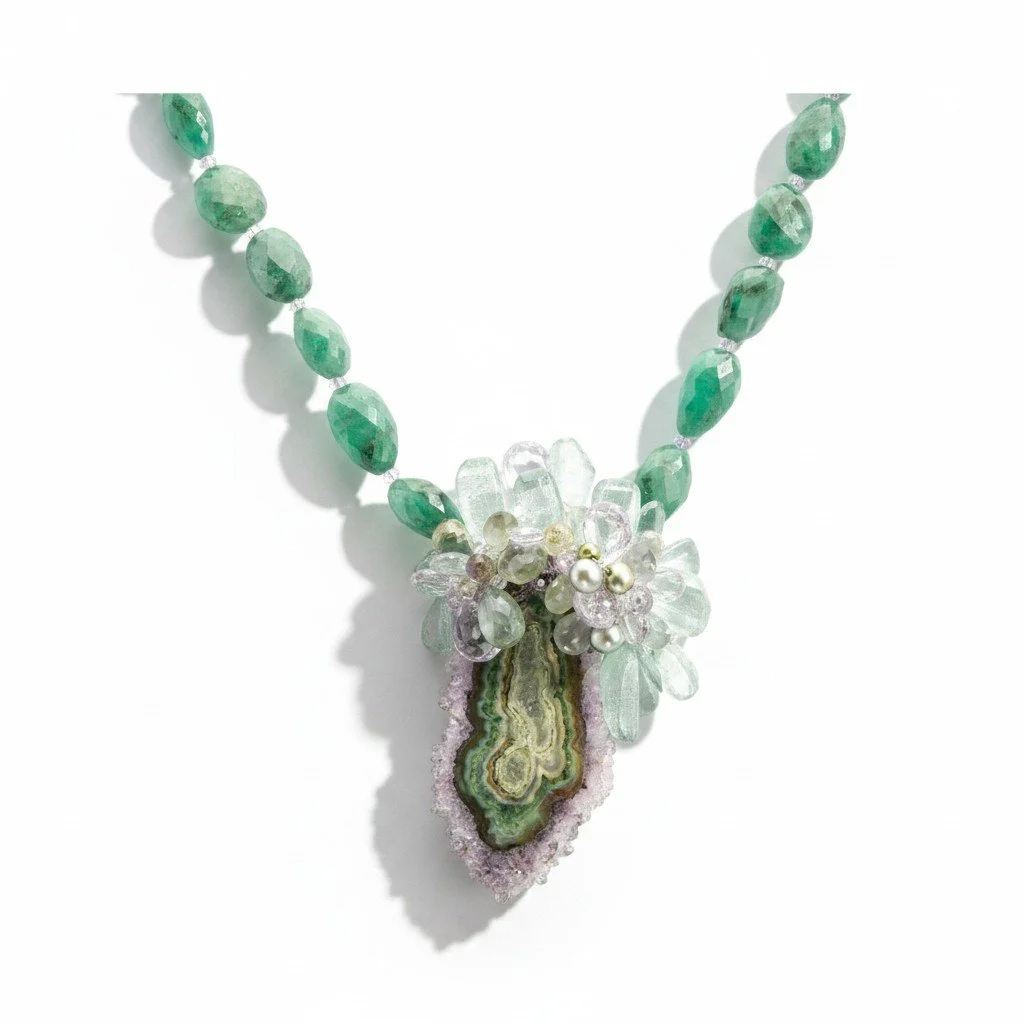
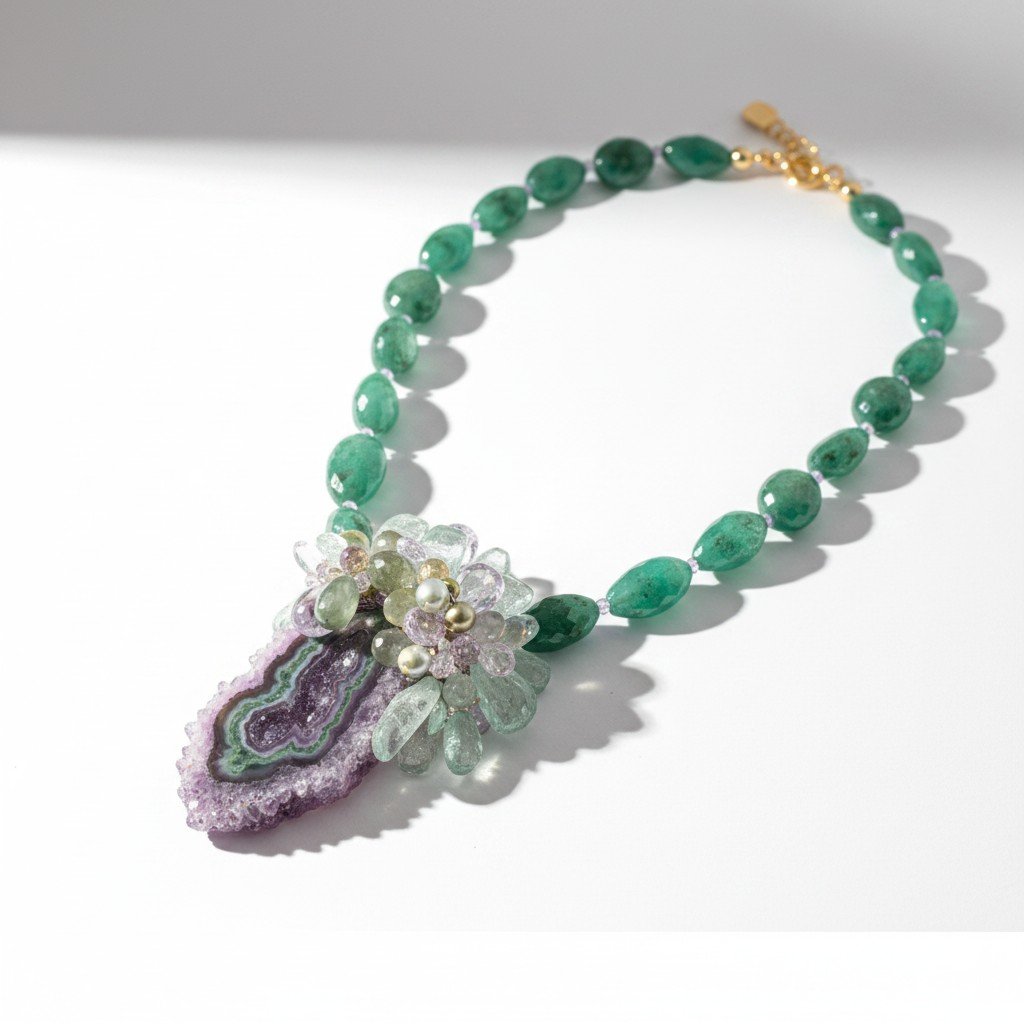
I sourced complementary green gemstone beads from my own inventory and mixed in antique filigree elements to give the piece ornate anchoring points where multiple gold chains could attach and the signature gemstone clustering I tend to build into asymmetrical work could settle in. The greens fanned across a wider palette than the pendant alone — emerald, mossy greens, the antique-gold flicker of pyrite — so that the pendant became the center of a chorus rather than a solitary note. The asymmetry let it breathe. The filigree gave it weight.

There is one detail I love about how this first piece reached Carolyn. The necklace was going to be a Christmas gift to herself. Mid-build, her husband Byron quietly intercepted the project, finished the conversation with me, and turned it into his Christmas gift to her instead. The necklace arrived in her hands with a different story than the one she had originally written for it, which is a small instance of the thing this work does: it makes pieces porous. The piece holds the aunt, the pendant, the wife, the husband, the gift, the redesign. None of those layers cancel each other out.

The aunt's piece is still the aunt's piece. Now Carolyn wears it.

Minimalist collage featuring a green gemstone statement necklace shown from multiple angles, with the word “Custom” on gray.

The Topaz Collar (2014–2015)

The second piece came a year or so later, on a different occasion. Carolyn had earned a milestone at work and decided to mark it. Not for an anniversary, not for a wedding, not for one of the special-occasion slots most jewelry sits waiting in. For an ordinary professional win she wanted to wear something for.

This time the heirloom was a brown topaz pendant, also from her aunt. Square. Set in sterling silver. The square shape was the structural cue I followed: a symmetrical collar design, with the original pendant as the centerpiece and smaller square gemstones echoing the shape outward along the collar. The metal palette stayed in silver throughout, because the original was sterling and gold would have fought it. I hand-wove layers of chain pattern with tiny gemstones threaded onto headpins of varying lengths to create a chain-mail effect that housed the larger square stones along the line of the collar. The whiskey-topaz pendant became the anchor at the throat. The piece pulled together as a single intricate structure: a collar that read first as architecture, second as ornament, third as the pendant her aunt had given her.

What I want to say about this piece is something the inheritor with the drawer often does not let herself say out loud: pieces like this are not only for grief, and not only for ceremony. Carolyn marked an ordinary professional win with her aunt's pendant, integrated into a necklace she could wear. The someday-occasion the original pendant had been waiting for turned out to be a Tuesday she could finally name as worth marking.

Minimalist collage featuring a smiling client, a custom amber-toned statement necklace, and the word “Custom” on a soft gray background.

The Pearl Strand (2015–2017)

The third commission is the one that still moves me when I think about it.

When Carolyn's husband Byron's mother passed, Carolyn was given the chance to choose multiple pieces from her mother-in-law's jewelry collection. Except that she chose a strand of pearls. Just the strand.

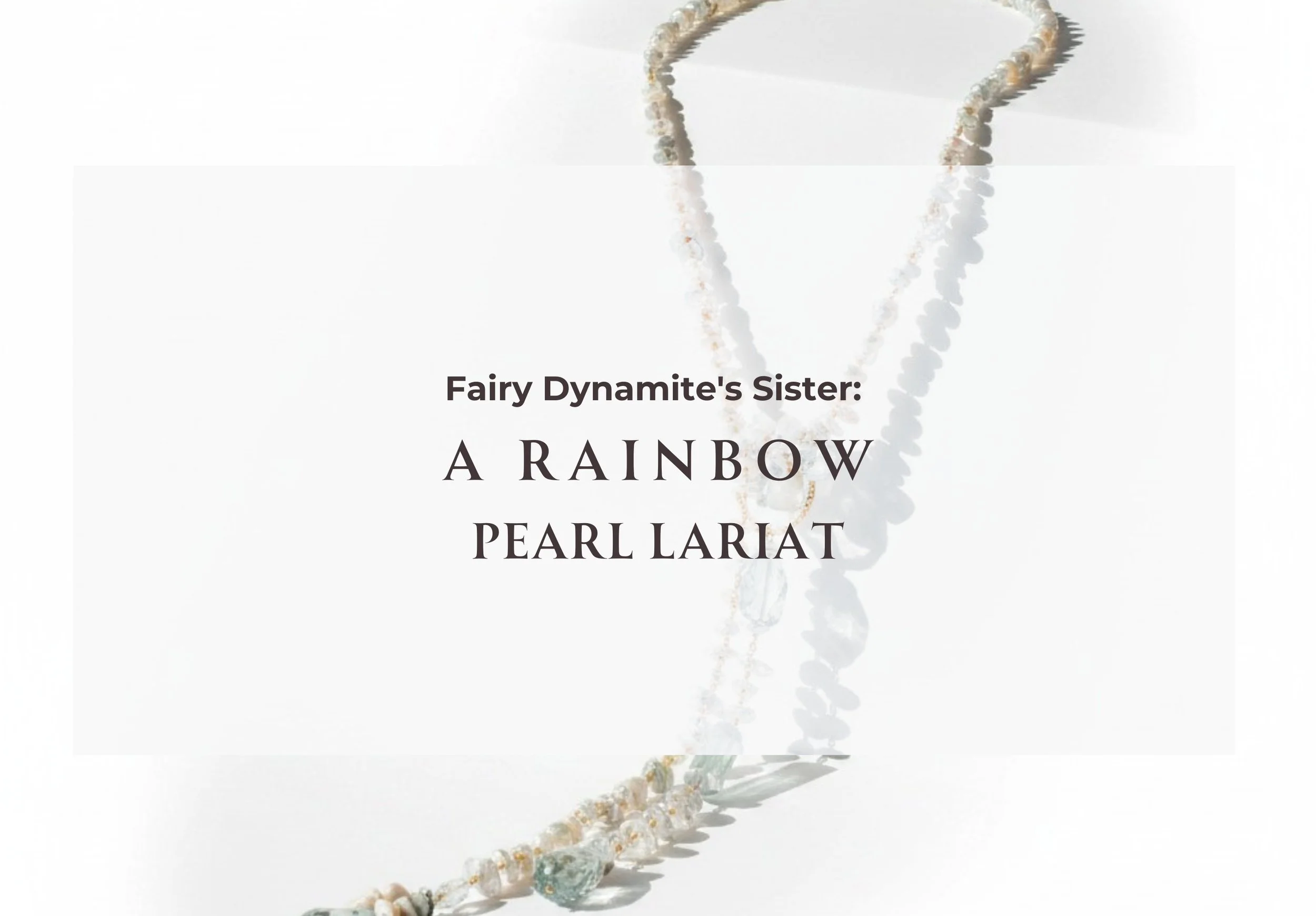
I have been doing this work long enough that I know what extraordinary pearls look like, and when she first brought me the strand, I knew these were exactly that, extraordinary. Each pearl carried a brilliance and a rarity of size that matched all the others on the strand, and a luminescence that refracted light like each one held its own small rainbow. They were the kind of pearls a person chooses if they are choosing the one thing.

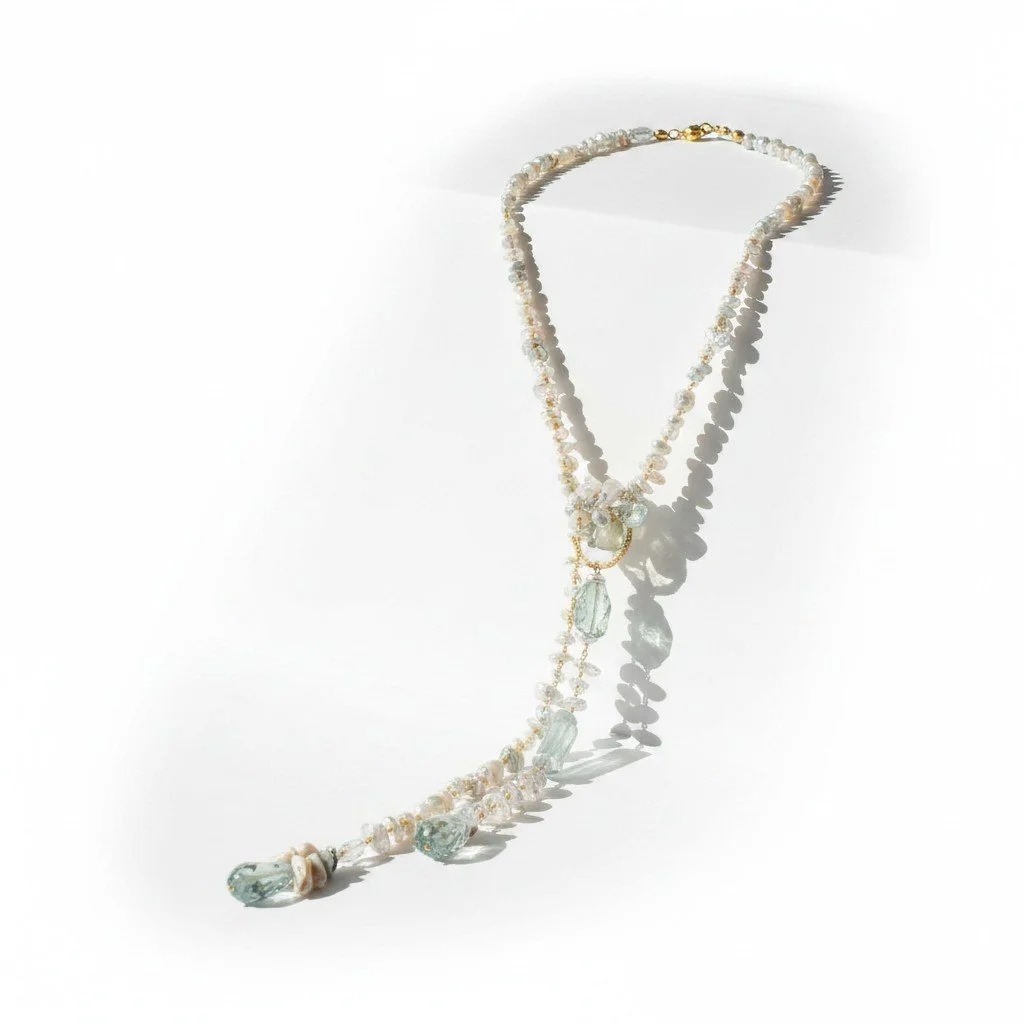
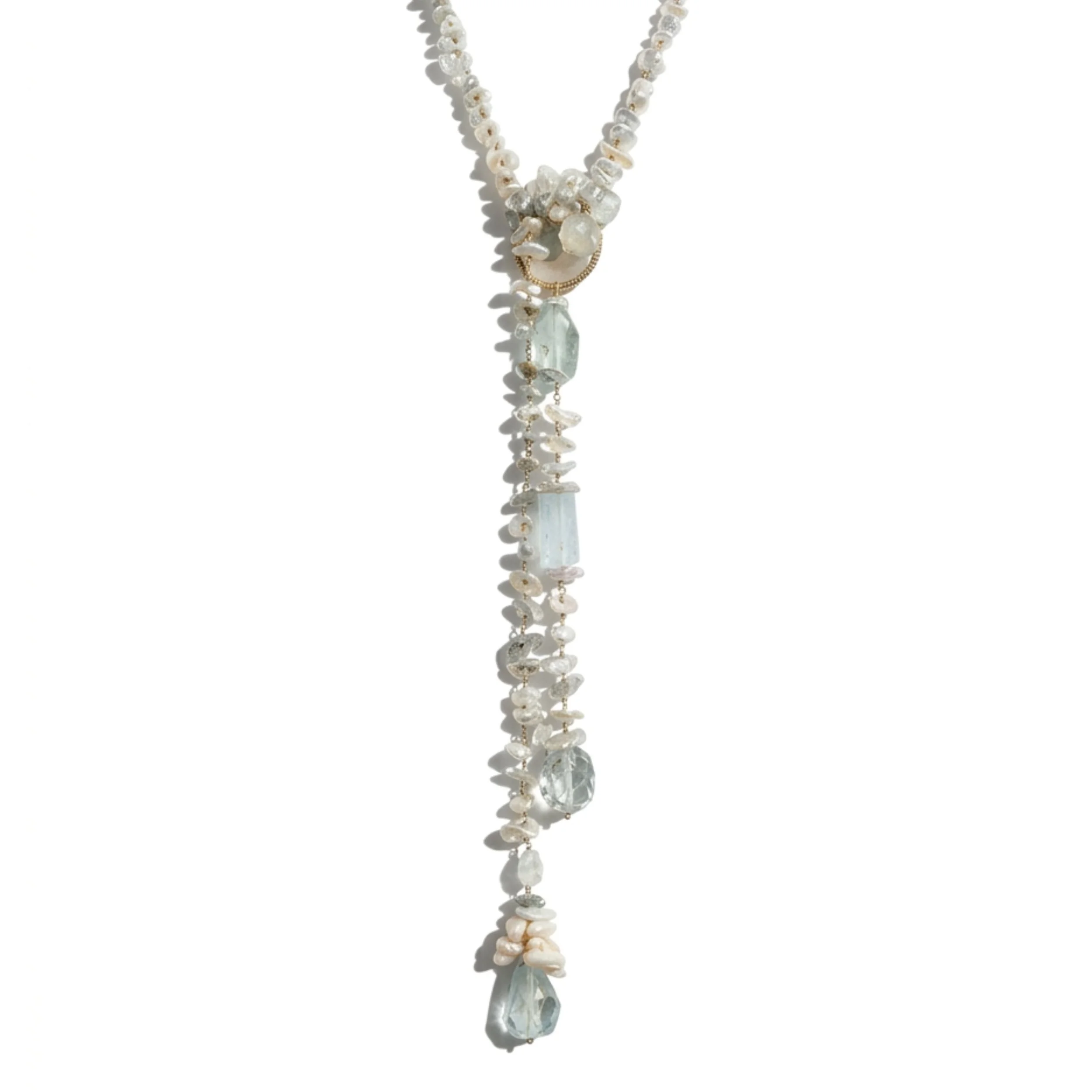
The only problem was the length. It was too long for Carolyn to wear functionally — somewhere between a long opera length and an awkward in-between. We played with the strand together and realized that if we doubled it back on itself into two layered strands, the length became right. The pearls became wearable.

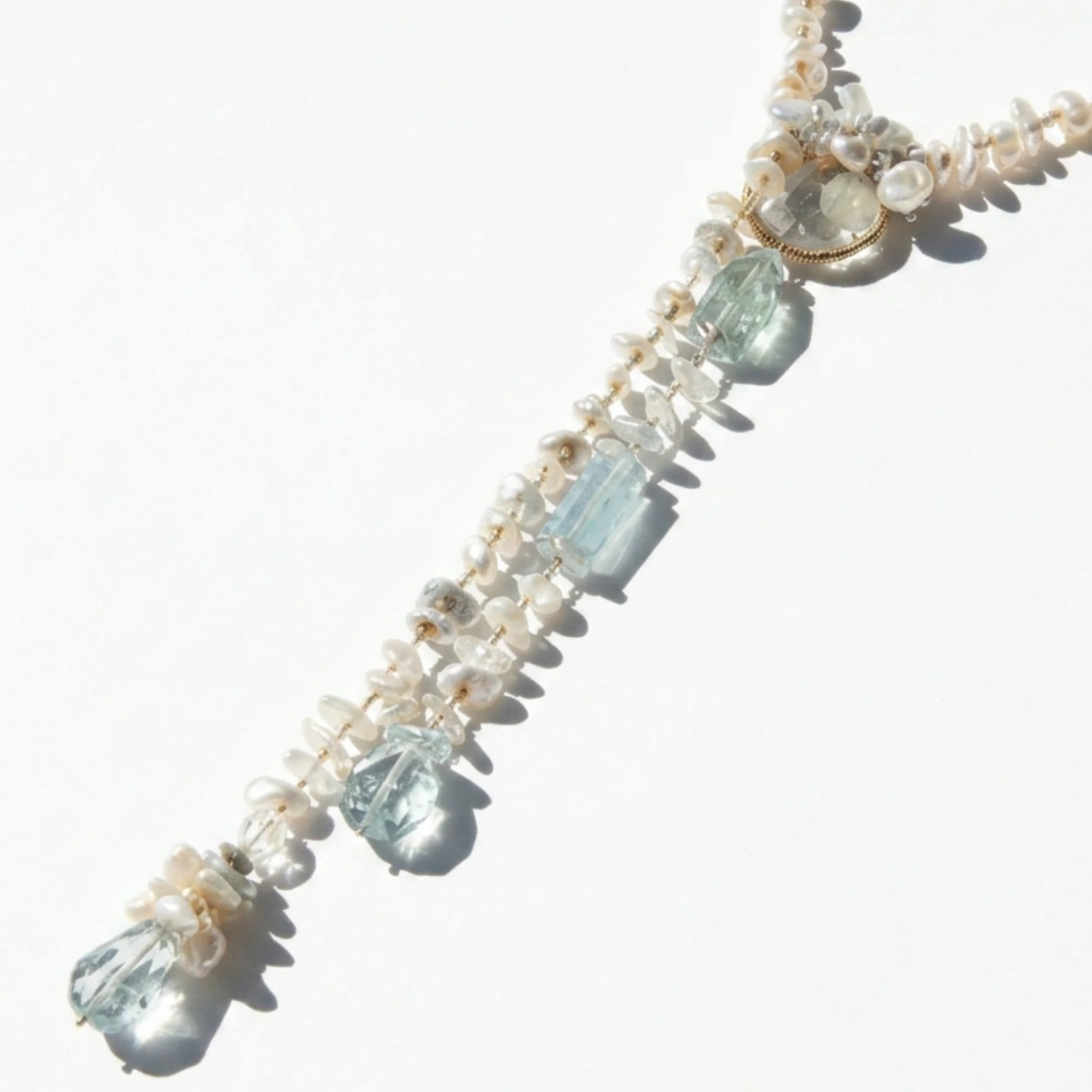
The work I did was around that doubling. I designed a side flourish at the asymmetrical anchor point: 24k gold vermeil leaf-like shapes layered around a tight cluster of fiery opals that echoed the rainbow auralescence in the pearls themselves, along with other gemstones that gently called out the lavenders, greys, and blues sitting inside each pearl's surface. I anchored the flourish with a custom 24k gold vermeil cone-shaped component that gathered glittering strands of tiny gemstones, gold chains, vermeil spikes, Herkimer diamonds, ametrine, and zircon. The custom clasp held the two strands in a permanent two-layer configuration that is easy to put on and take off.

The pearls are still the pearls. The strand is still the strand Byron's mother chose for her own collection. Now they are around Carolyn's neck.

Minimalist collage featuring a double-strand pearl necklace, matching bracelet, and detail photos, with the word “Custom” on gray.

What Carolyn Wears Now

I would like to skip past the reveal part of this story by telling you the truth about how Carolyn reacted when I delivered each of the three necklaces, which is the way every commission client I have delivered to has reacted: with awe, wonder, the kind of excitement that overflows the room, and a particular kind of surprise that says she did not expect the finished piece to exceed what she had pictured. That is what happens at the bench-side of this work. The reveal is real and it is consistent. I have built my practice around making sure it happens.

What matters more than any single reveal moment is what came after. Carolyn wore the green jade necklace, then the topaz collar, then the pearl strand into the years between then and now. She wore the topaz collar at my wedding. She has worn the jade necklace to her husband's concerts. The pearl necklace turns up at occasions like our friend's annual Derby party and ordinary days alike. None of these pieces are special-occasion necklaces in the strict drawer-forever sense. They are life pieces.

She told me once, after the third piece, the line I think about when I am at the bench making something for someone whose grandmother or aunt or mother-in-law has given them something they cannot bring themselves to wear: I get to wear a piece of them each time I wear the necklaces. The memory is not erased by the redesign. The memory is amplified by being present. The aunt is at her throat at the work milestone. Byron's mother is at her throat at special moments shared by her community of friends in gatherings. The pieces hold more lineage than they did when they were sitting in the drawer.

The arc has kept moving. Carolyn's mother — Carolyn's own mother, who is still with us — has recently started encouraging Carolyn to buy a safe to keep the necklaces in when they are not on her. Not to put them away from use, but to safeguard them so they can pass to Carolyn's daughter when she is old enough to receive them. The pieces will travel forward, not just backward. The three necklaces will become what Carolyn's daughter inherits, layered over what Carolyn's aunt and Byron's mother already gave.

The aunts, the mothers, the husbands, the daughters. The pieces hold all of it. And they are, finally, being worn.

That is what I want any reader to take from these three commissions if she has her own pendant or strand sitting in a jewelry box. Drawer-forever is not the only ending. The pieces can become part of how you live now, and they can become what the next generation inherits from you instead of just from the maker before. The integration is the way to do that without losing what made the piece worth keeping in the first place.

If you have one of these pieces — and most of us do — I would love to hear about it.

Read More

Where to go from here

If Carolyn's story resonated, here is where to follow the threads.

The full Studio Stories archive lives at Studio Stories: Commissions and Studio Stories: Wedding.

If you have an heirloom piece you love without wearing, the commission inquiry page is where most of these conversations begin. A piece, a stone, an idea. The email after the inquiry is how I get to know what you are actually trying to say.

Discover

Jewelry that feels like you.

Two minutes. The quiz tells me how you want jewelry to feel in your life, and the messages that follow walk you through pieces I think you'll love.

Take the Style Quiz

Two minutes. I take it from there.

Stay Close

Love what you see? Keep finding us.

Google now lets you choose your favorite sources so they show up labeled in AI search answers. If you enjoy discovering handcrafted gemstone jewelry here, add Andrea Li Designs and we'll be easier to find next time you search.

Add Andrea Li Designs as a Preferred Source

One click. Works across Google Search, AI Overviews, and AI Mode.
When Monet Meets the Bench: Reading Sara Mrad's Fleur de Lumière Through Tamar

Tamar CollectionAndrea Li
Collage pairing editorial fashion inspiration, jewelry close-ups, and earrings beneath the title “When Monet Meets the Bench.”

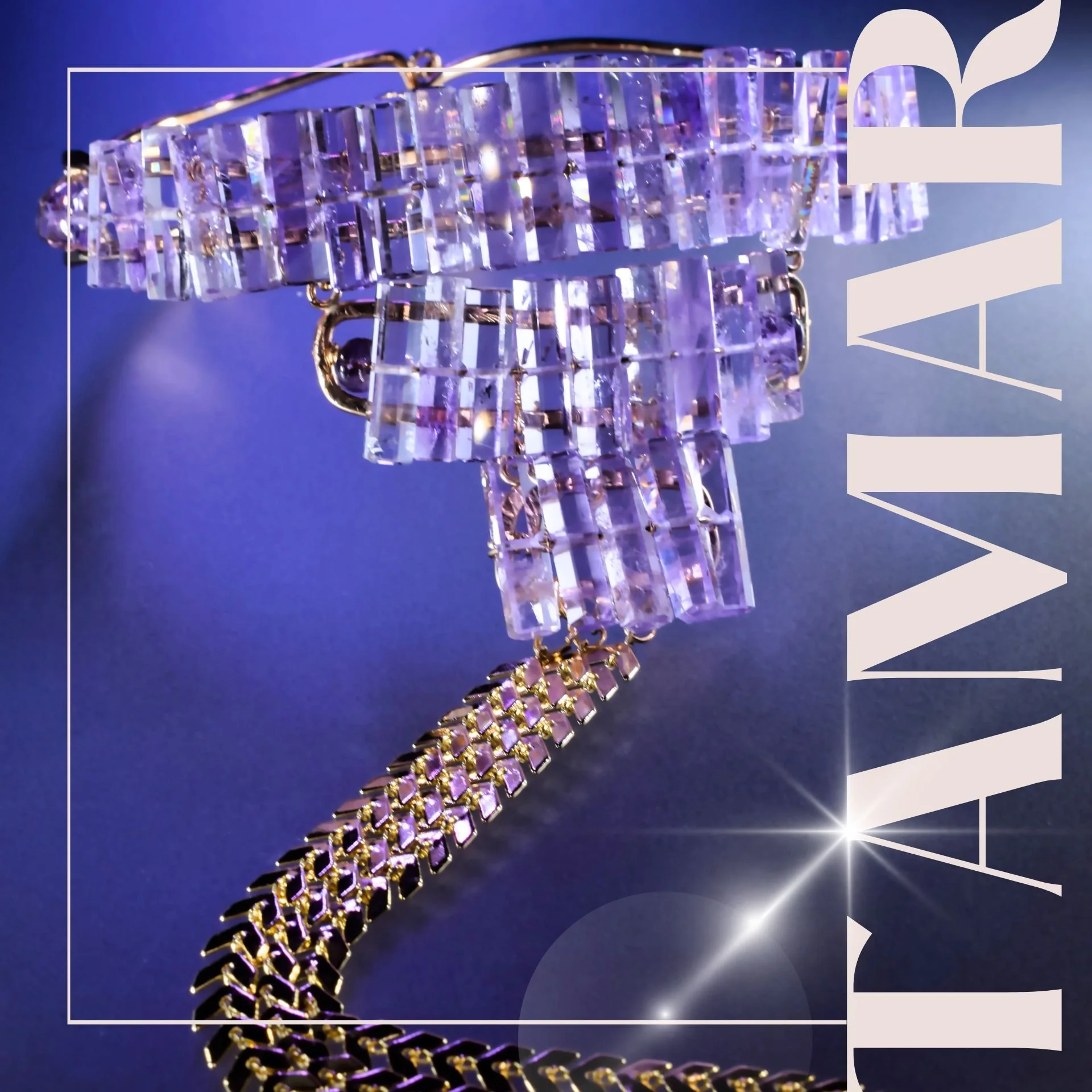
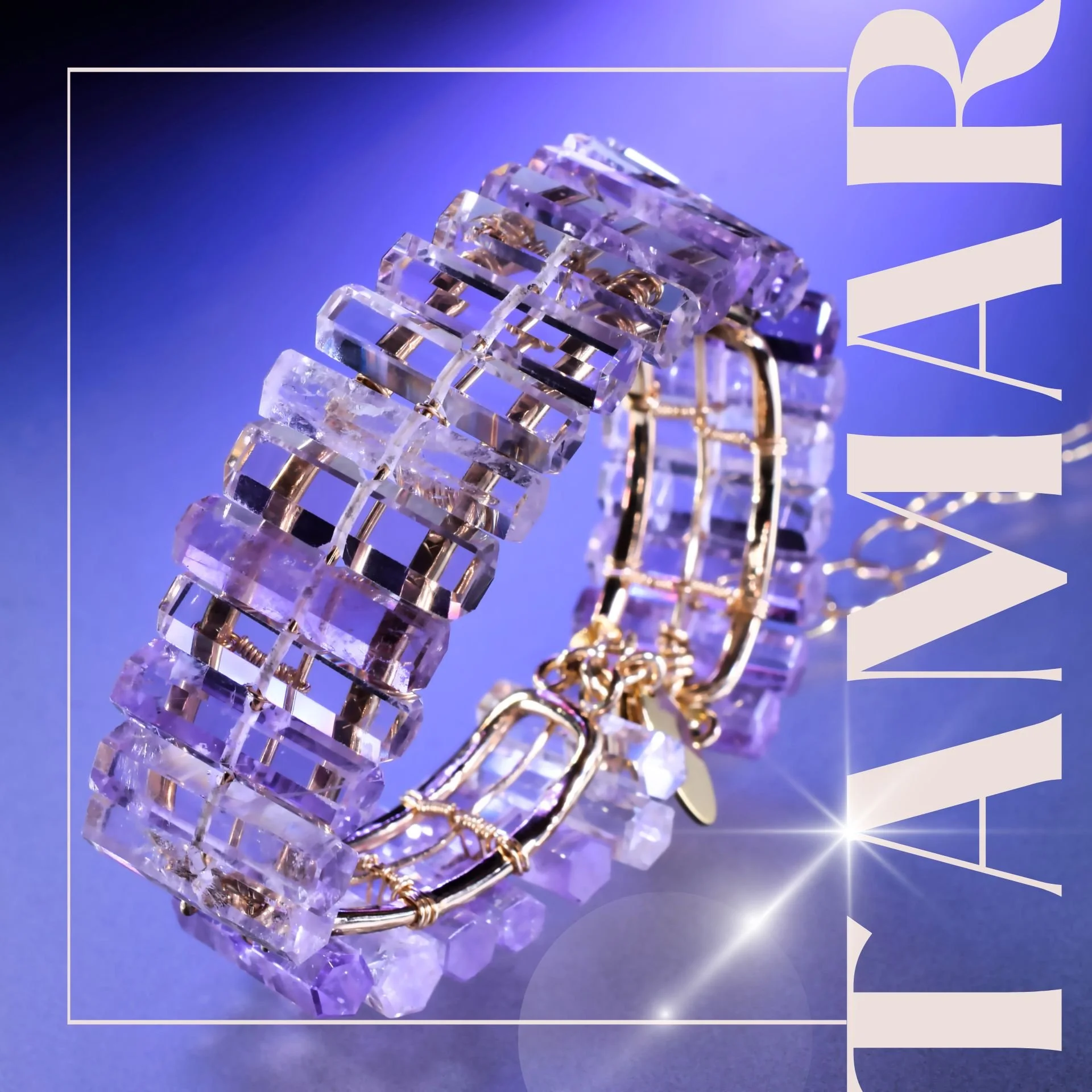
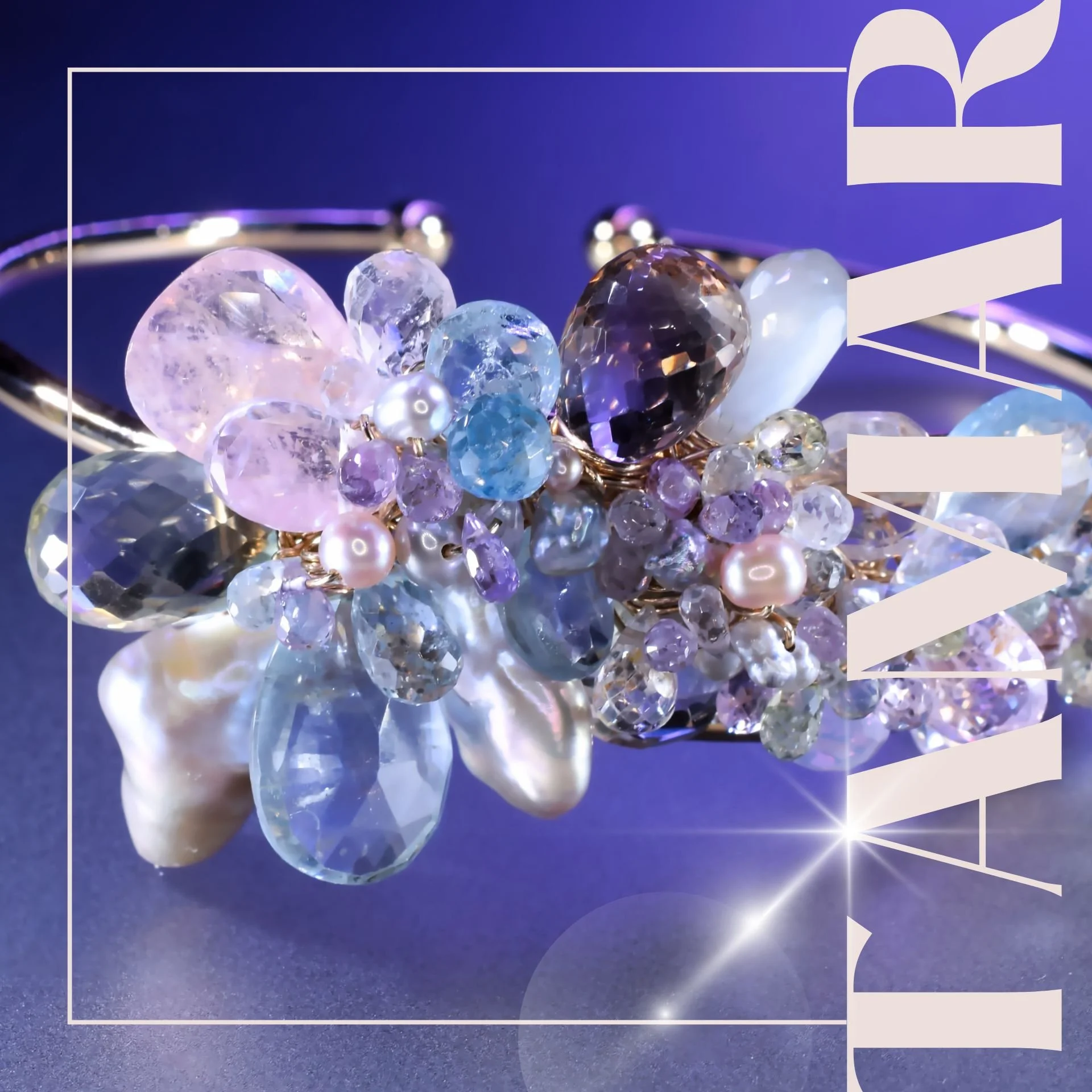
Sara Mrad's Spring 2025 Couture collection, Fleur de Lumière, reaches for the same Impressionist light I was chasing when I made the Tamar collection. Same Monet. Different mediums. Different fabrication languages, couture beadwork, and cold-connection gemstone clusters. This is what I see when I look at her work as a maker.

Photo Credits from Reddit

How I came to the work


A good friend, who is also a client, sent me Sara Mrad's Fleur de Lumière the way most of us encounter couture now: via someone else's tab, late at night, half-distracted. The thing that stopped me wasn't the dress. It was a single close-up where the beading behaved like brushwork—watercolor in glass. Light not so much captured as held still.


That stopped me because it's the same thing I was trying to do with Tamar. Different problem, same solution: make a flower that doesn't pretend to be a flower. Make the quality of looking at a flower, that softness at the edges where color bleeds, the way light dissolves a petal at the right angle. That's Monet's language. Mrad reads it through textile. I was reading it through gemstones.


This was the perfect setup to carry over to a recent shoot, collaborating with talented artists who each brought that same language into their craft to create a cohesive vision to communicate the ethereal nature of Sara’s collection and mine.

Published in Artells Magazine

Fashion & Glamour May Issue, Vol 4062  ·  Print & Digital

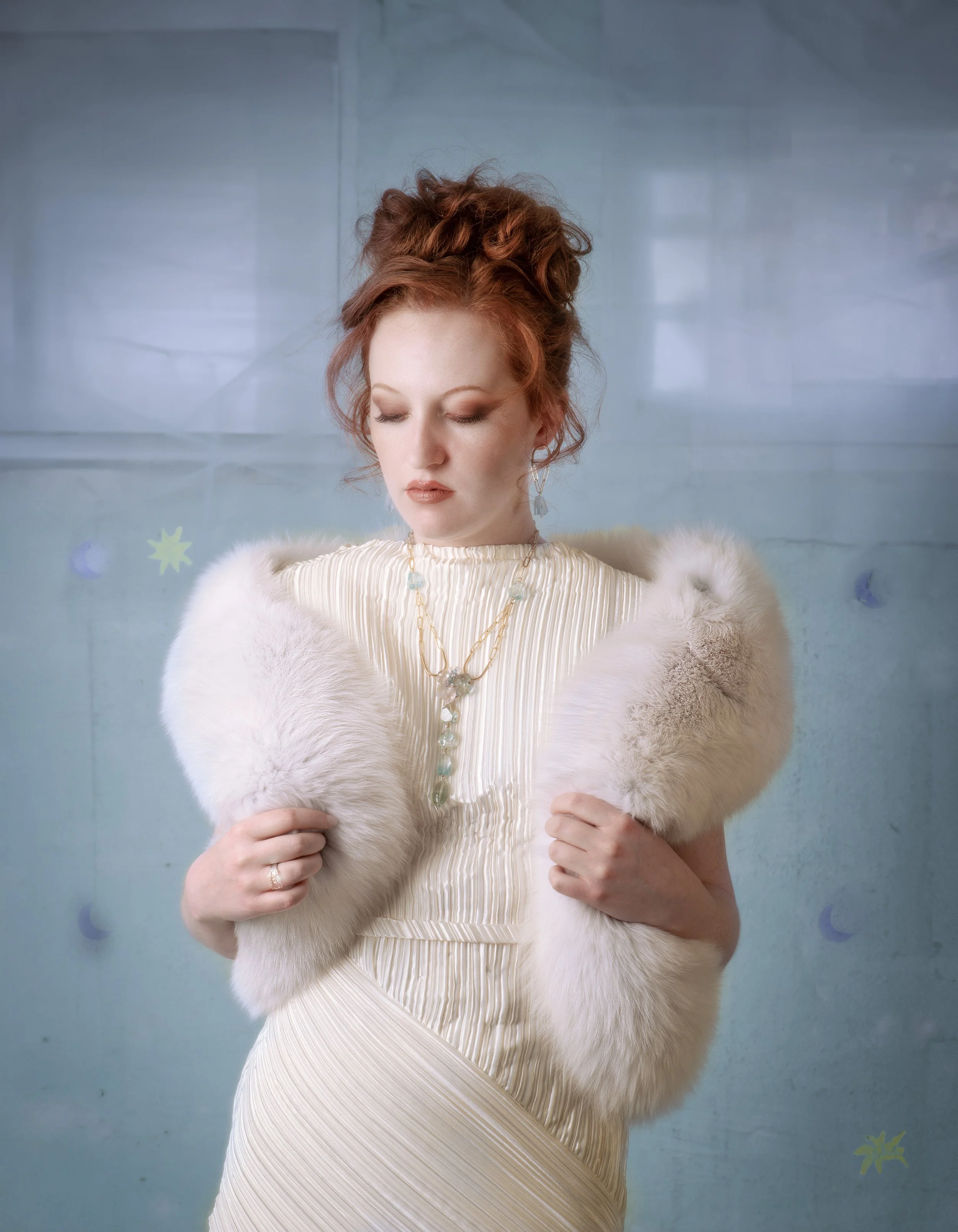
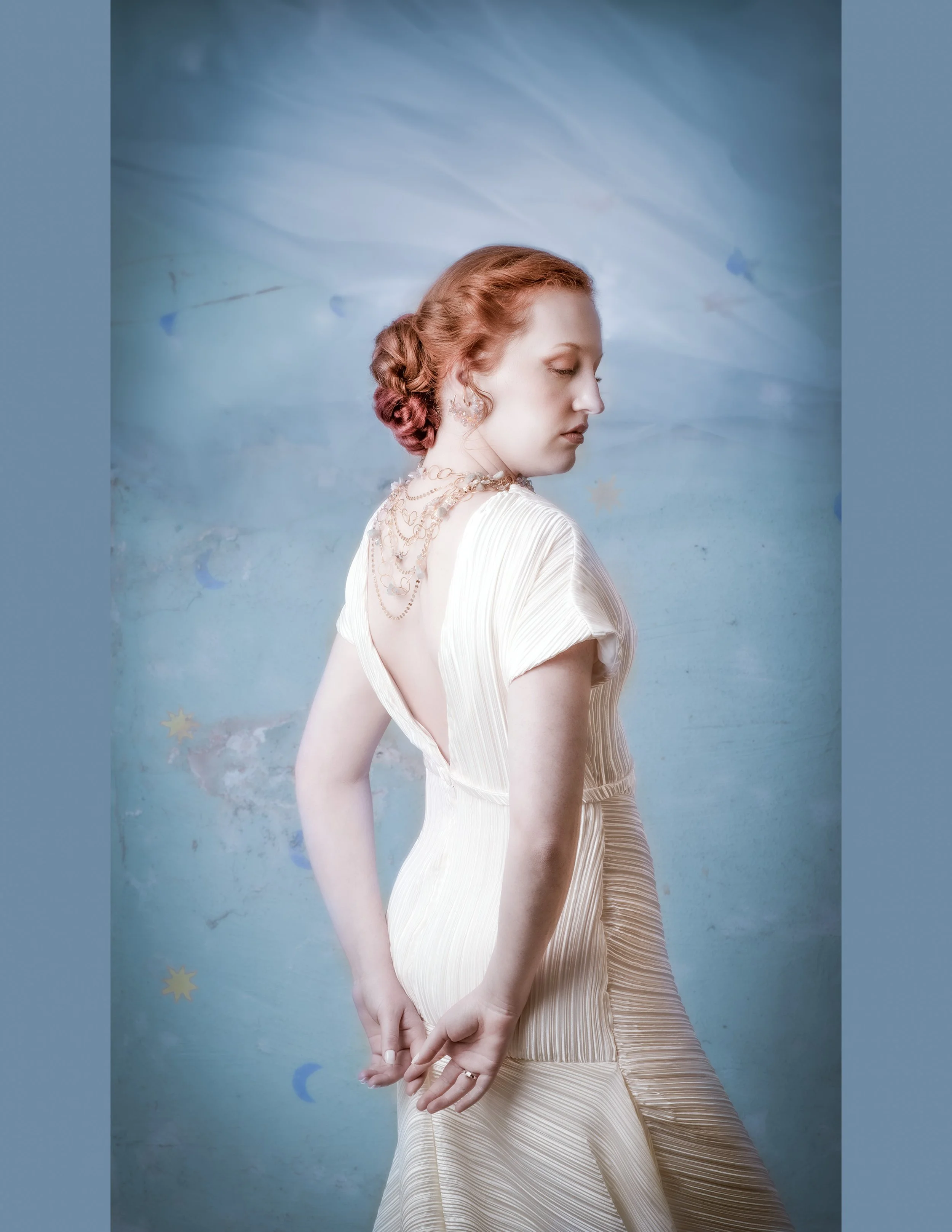
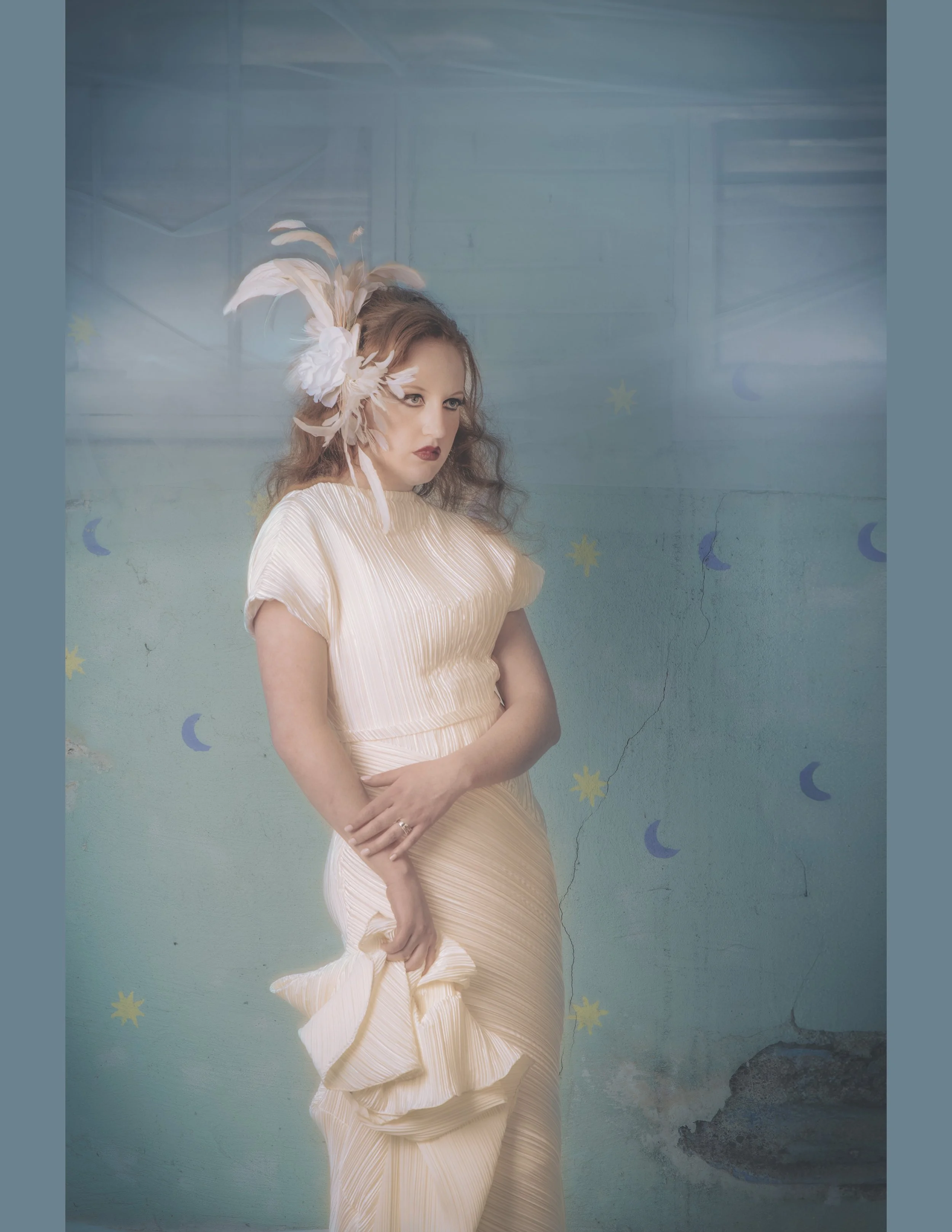
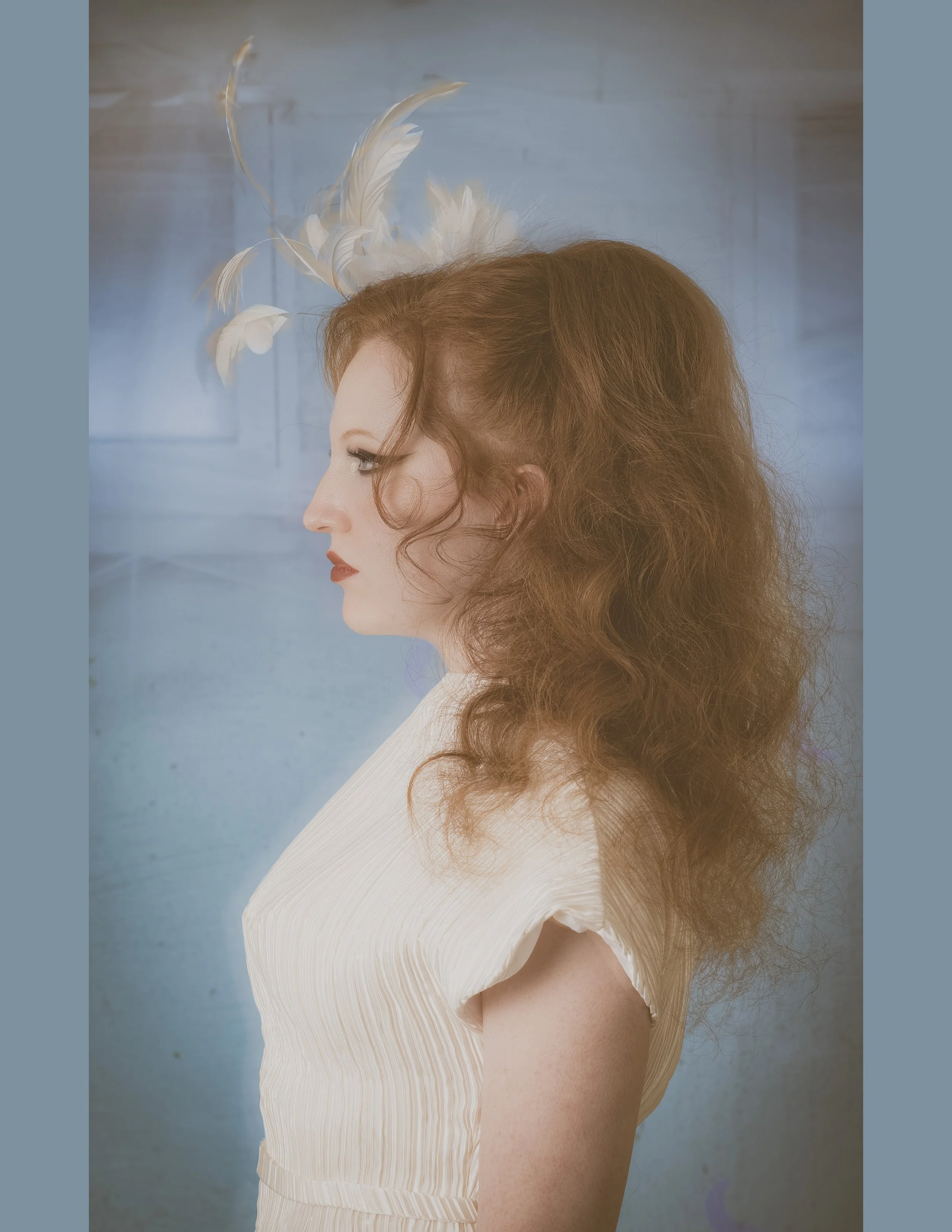
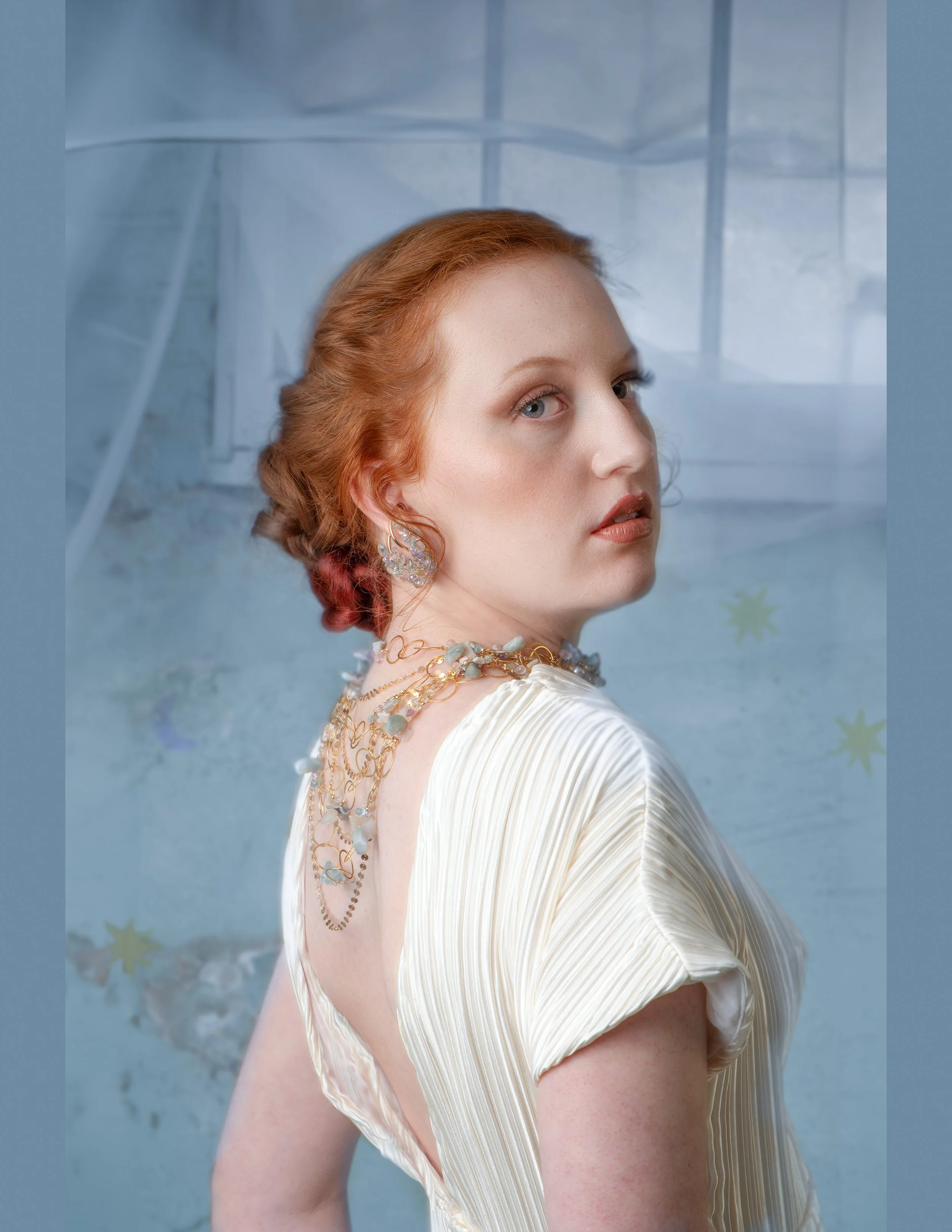
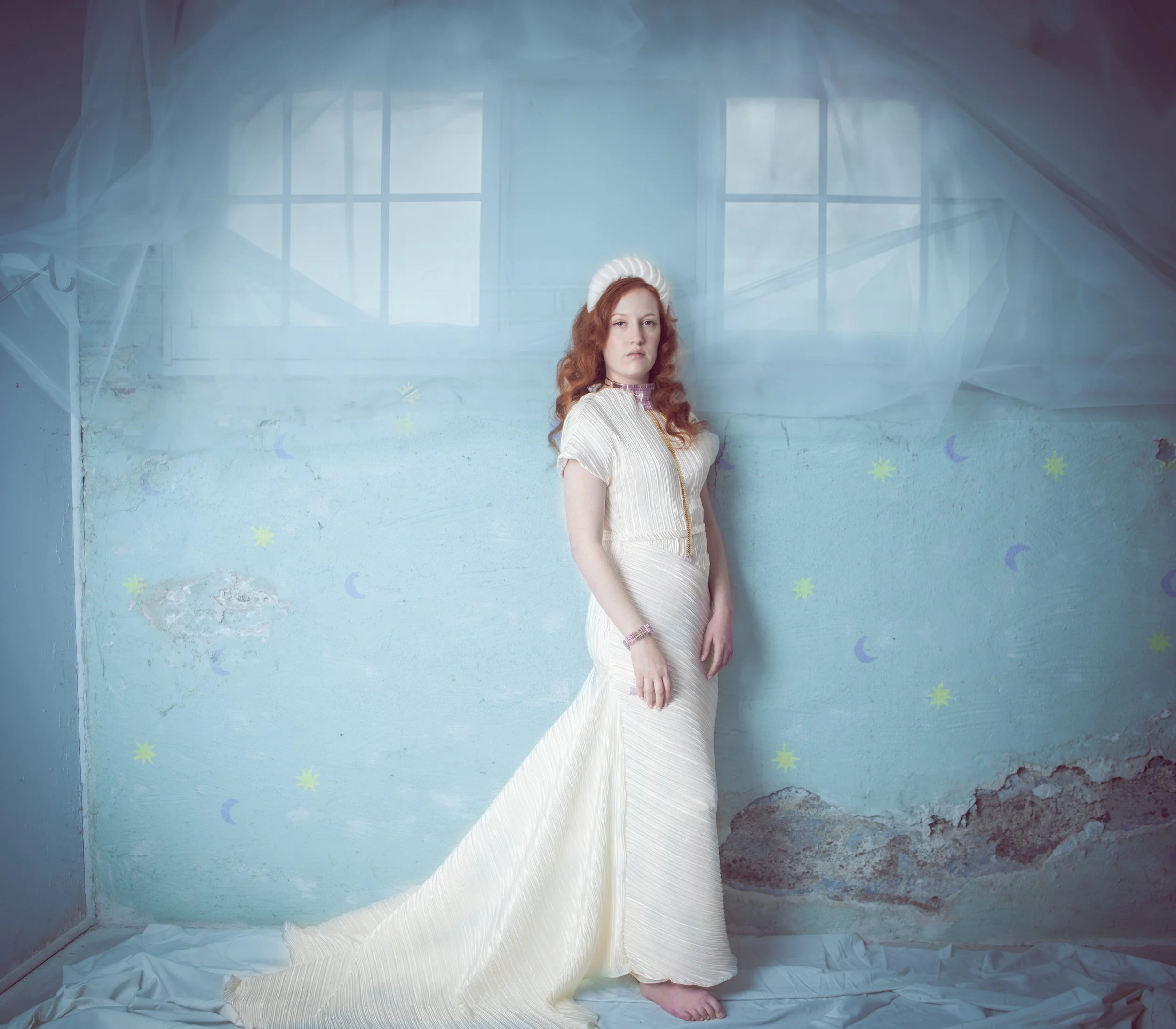
The shoot you see throughout this post became "My Star and Moon," a published editorial in Artells Magazine. What started as a creative conversation between Sara Mrad's Impressionist couture and my Tamar collection found its way into print, styled by Marie Margot Couture, photographed by E J Carr, and directed by Jani Duncan Smith, with Reilly Blake bringing it all to life against a hand-painted celestial backdrop.

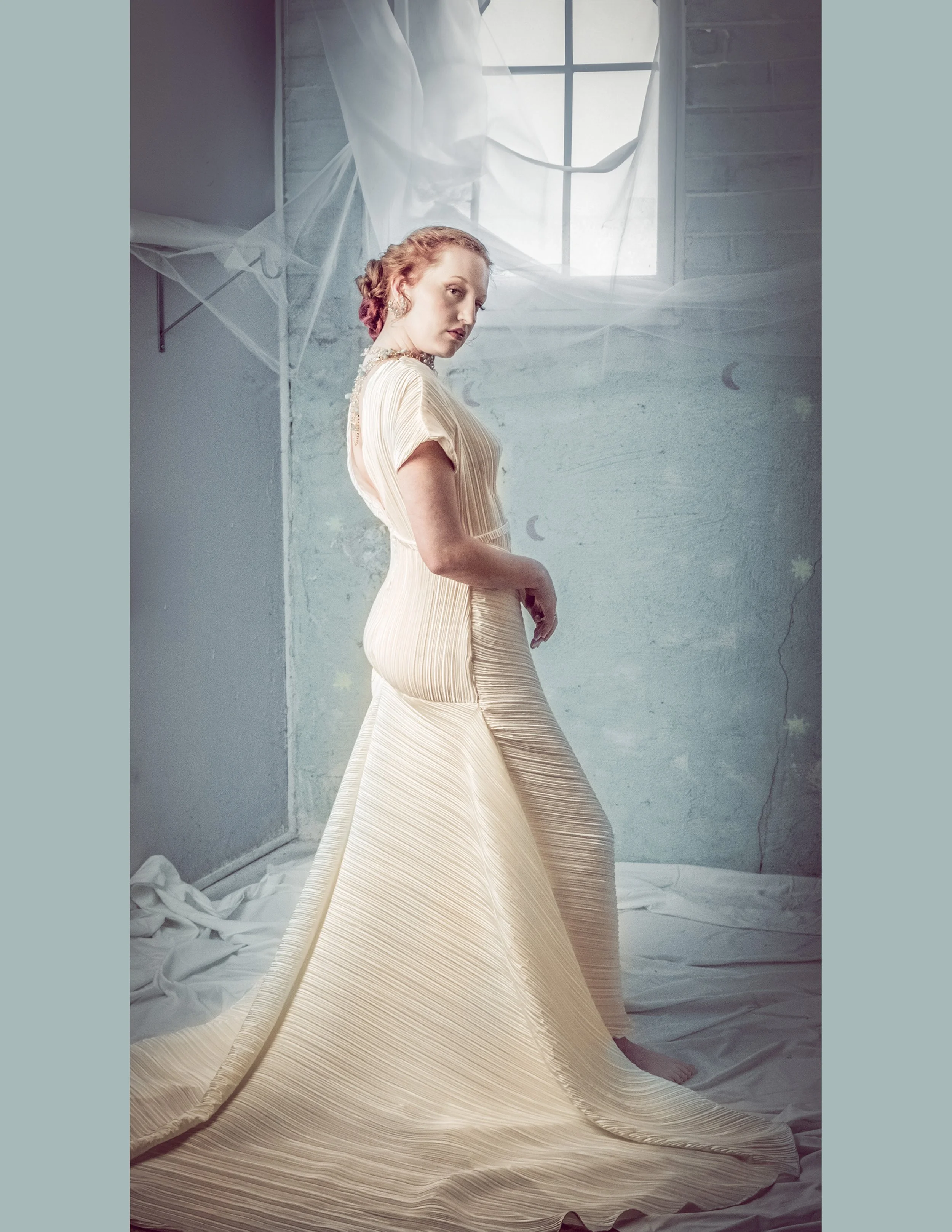
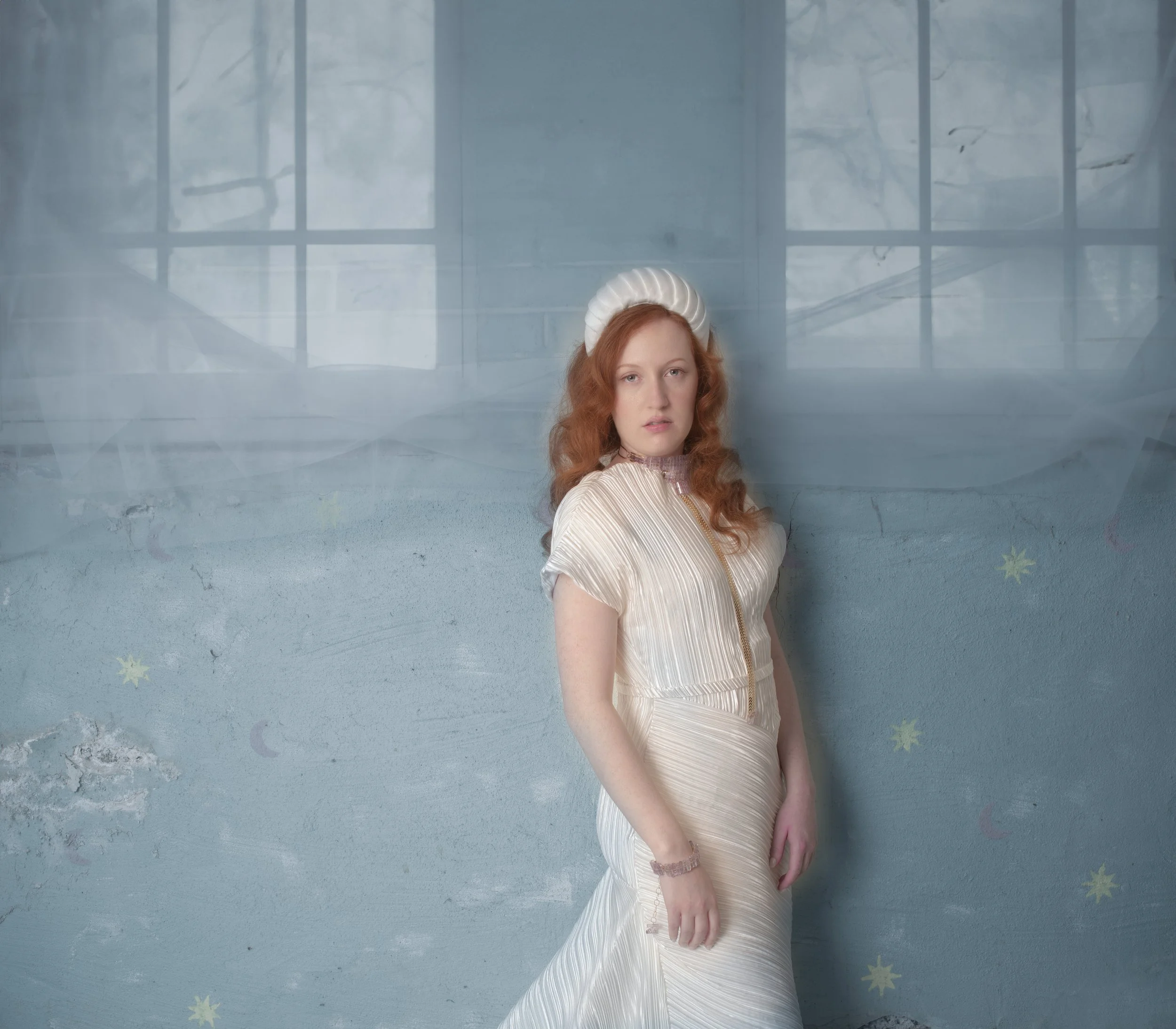
Every artist on this team read the same brief and brought their own craft language to it. The pleated gown, the fur, the feathered headpieces, the celestial set, they all speak the same Impressionist softness the Tamar pieces were built to carry. That coherence is not an accident. It is what happens when every maker in the room understands the assignment at the level of material and light, not just mood board.

View "My Star and Moon" in Artells Magazine →
Portrait of a red-haired woman in a white pleated dress and fur stole, wearing delicate layered jewelry against a dreamy pale blue background.

What Fleur de Lumière is


Sara Mrad is a Lebanese designer whose Spring 2025 Couture collection takes Monet's gardens as its source material, the water lilies, the wisteria, the late-Giverny saturation when the painter was nearly blind, and color was doing the work memory couldn't.


What's striking about her interpretation is the discipline. Couture-trained beadwork is by nature additive, bead by bead, one stitch at a time, until the surface becomes the painting. Mrad's restraint, when called for or maximalism to convey aesthetic impact, is what makes it Impressionist rather than just floral. Intention is the point. The eye has to do some of the work.

What Tamar shares with it

When I designed the Tamar collection, I was not thinking about Sara Mrad; I'd never seen her work. But we were drinking from the same well.


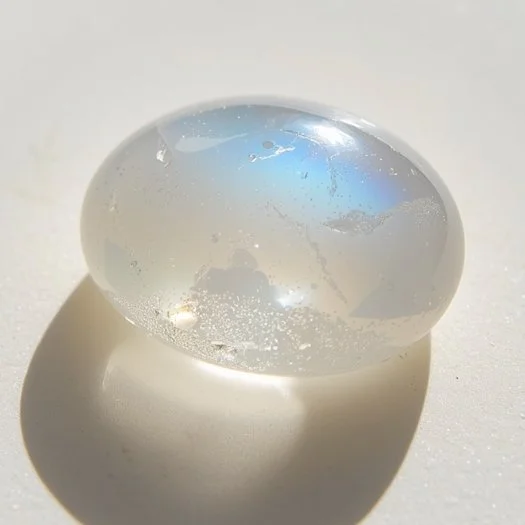
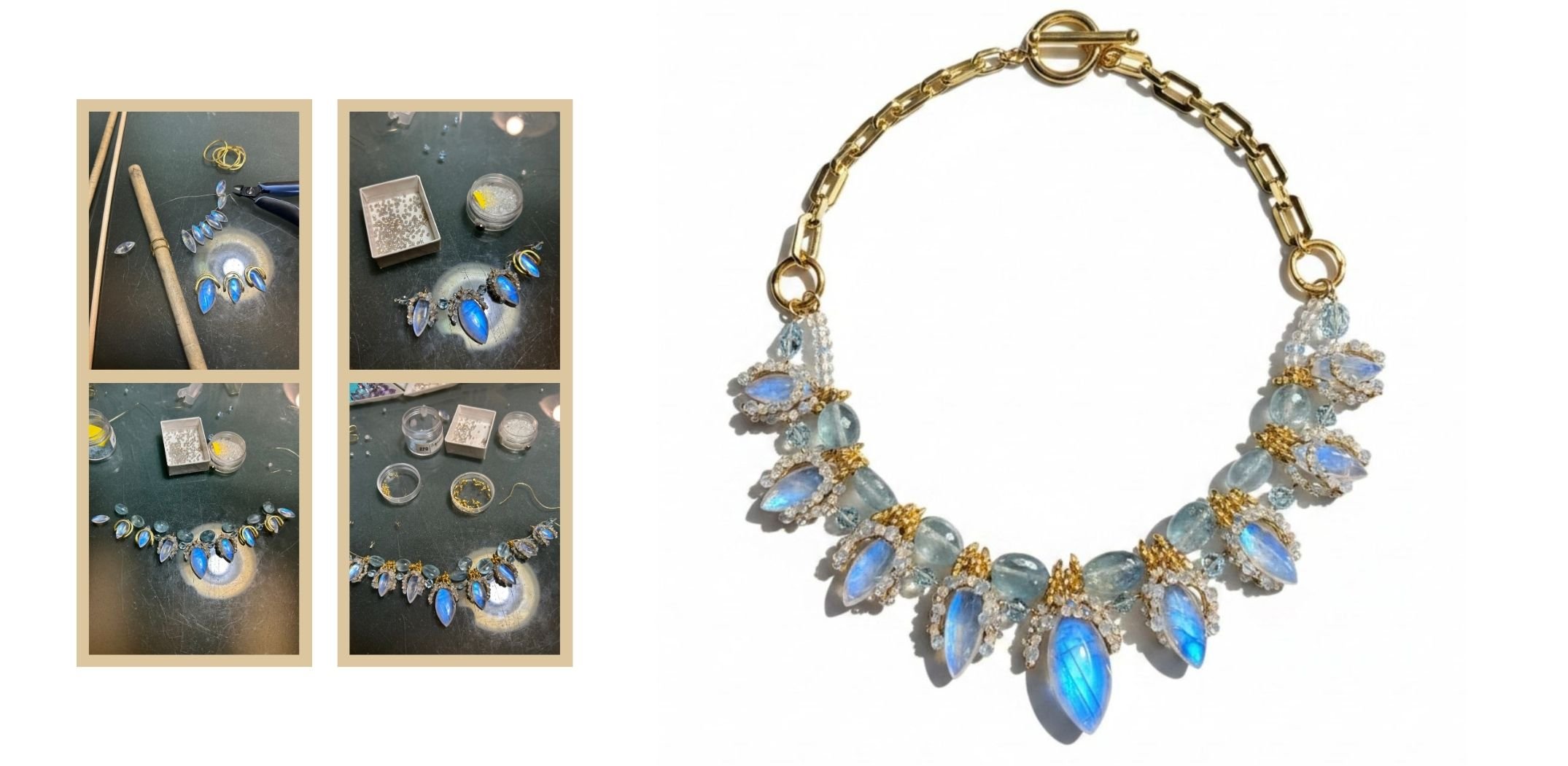
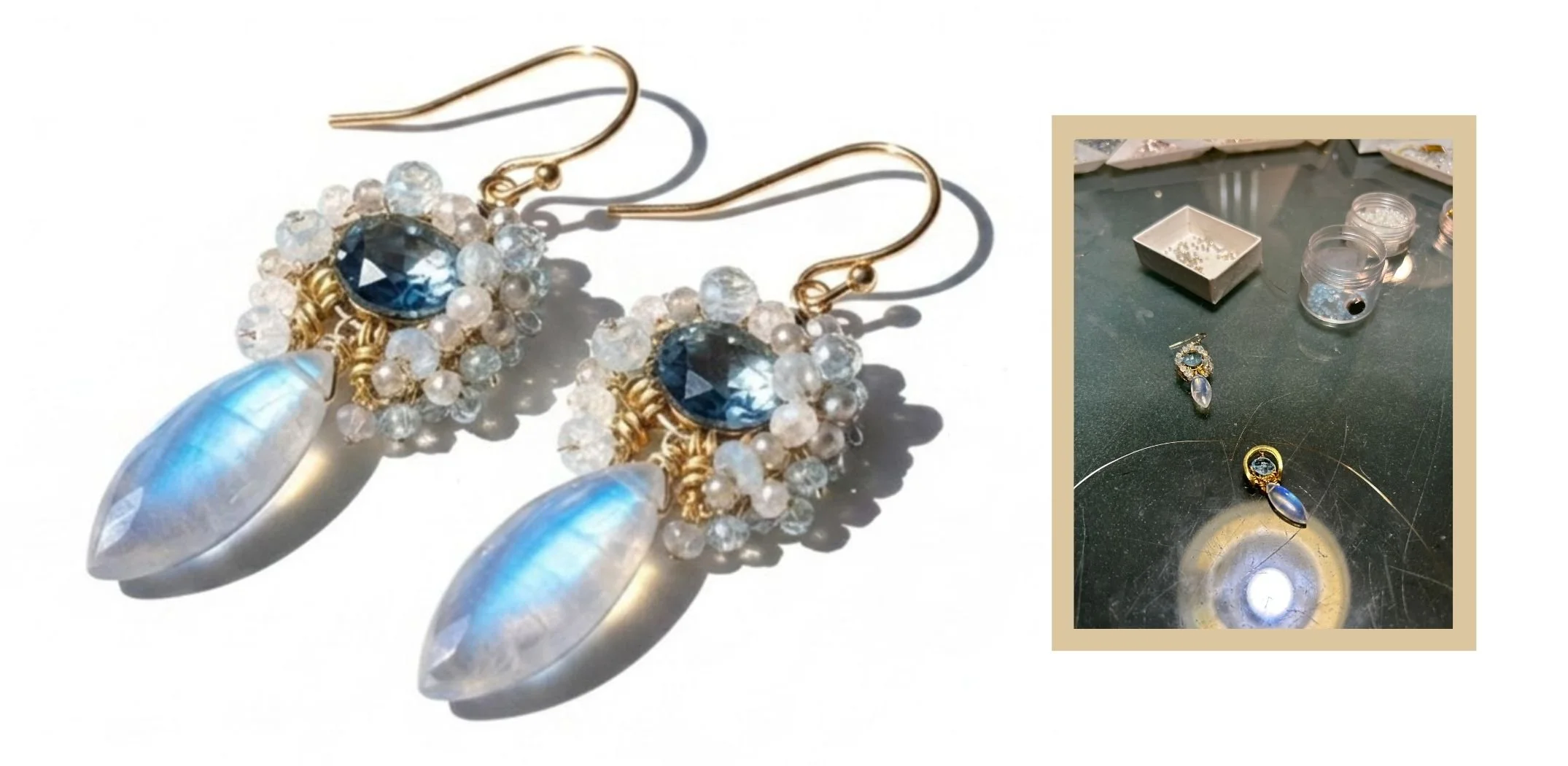
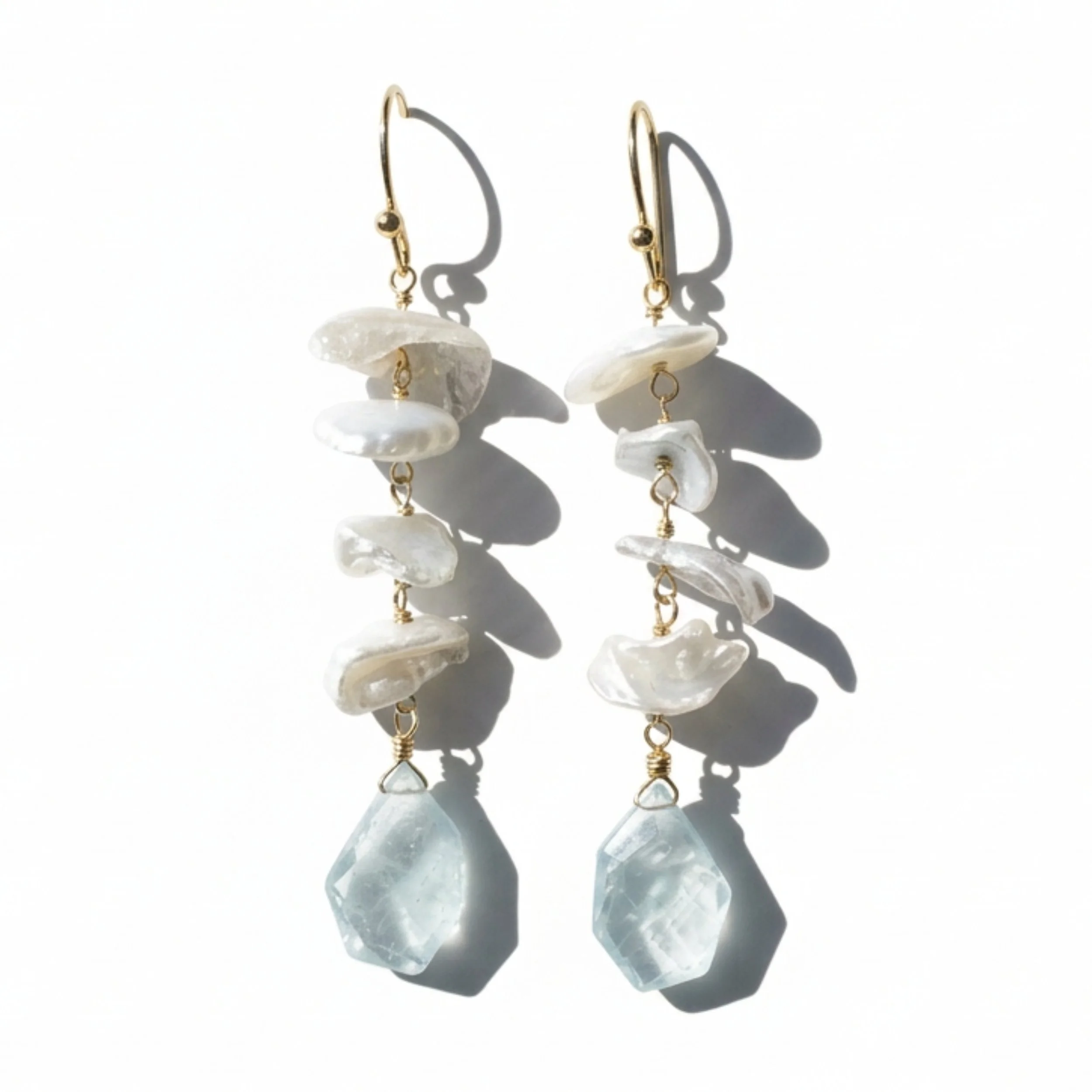
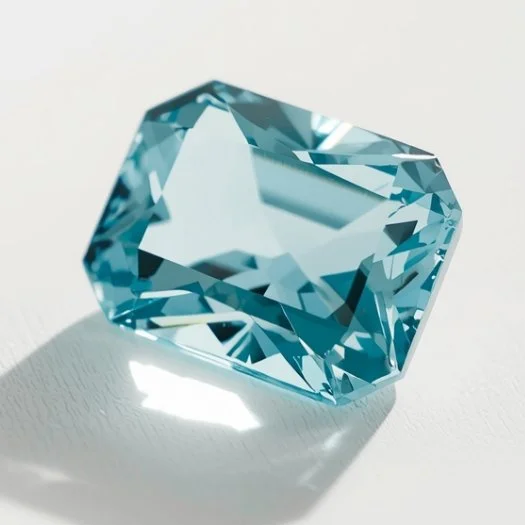
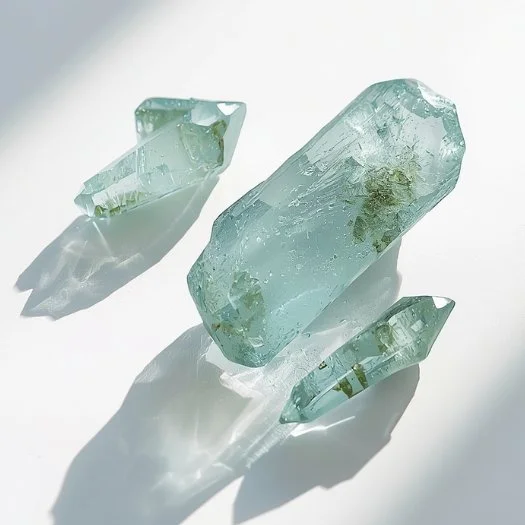
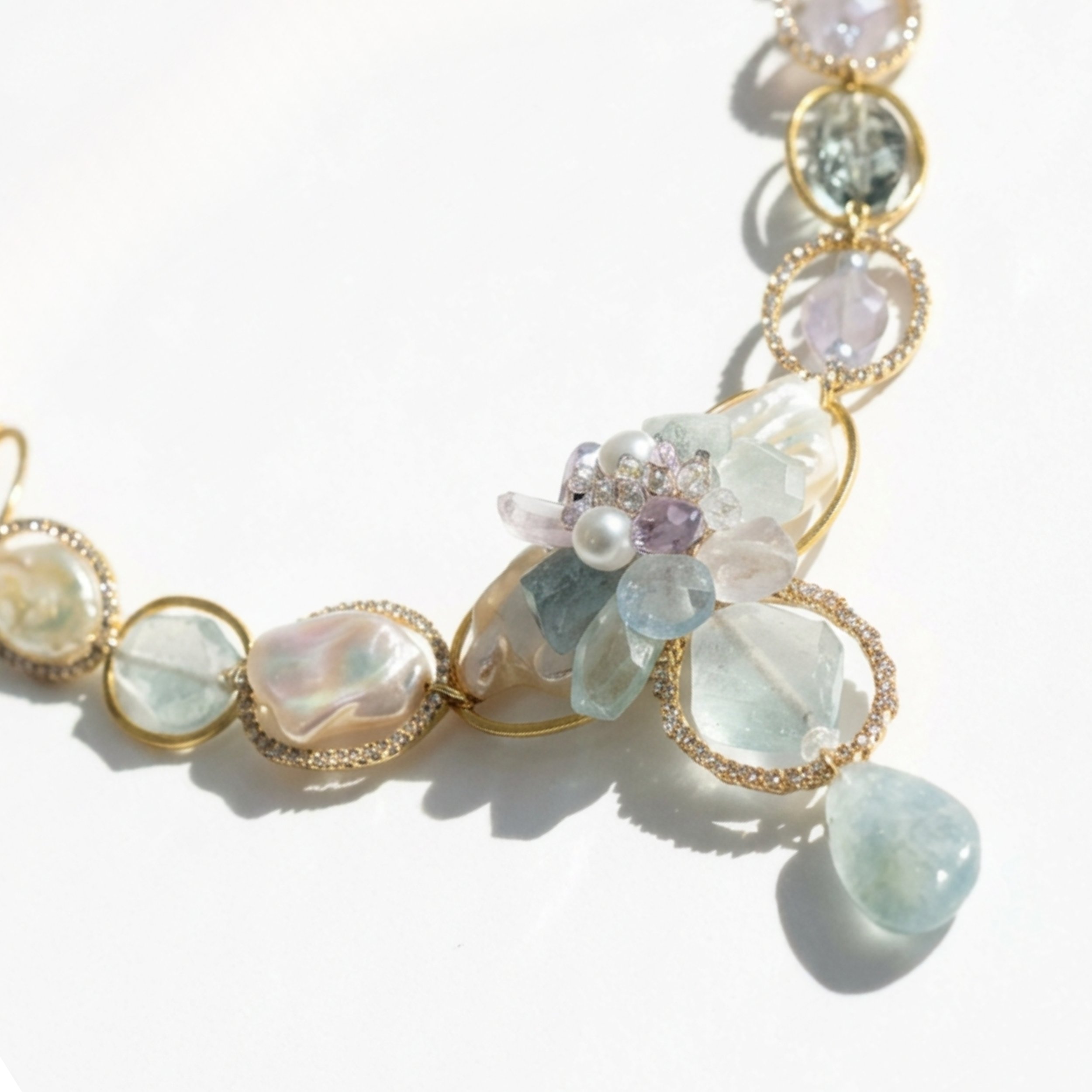
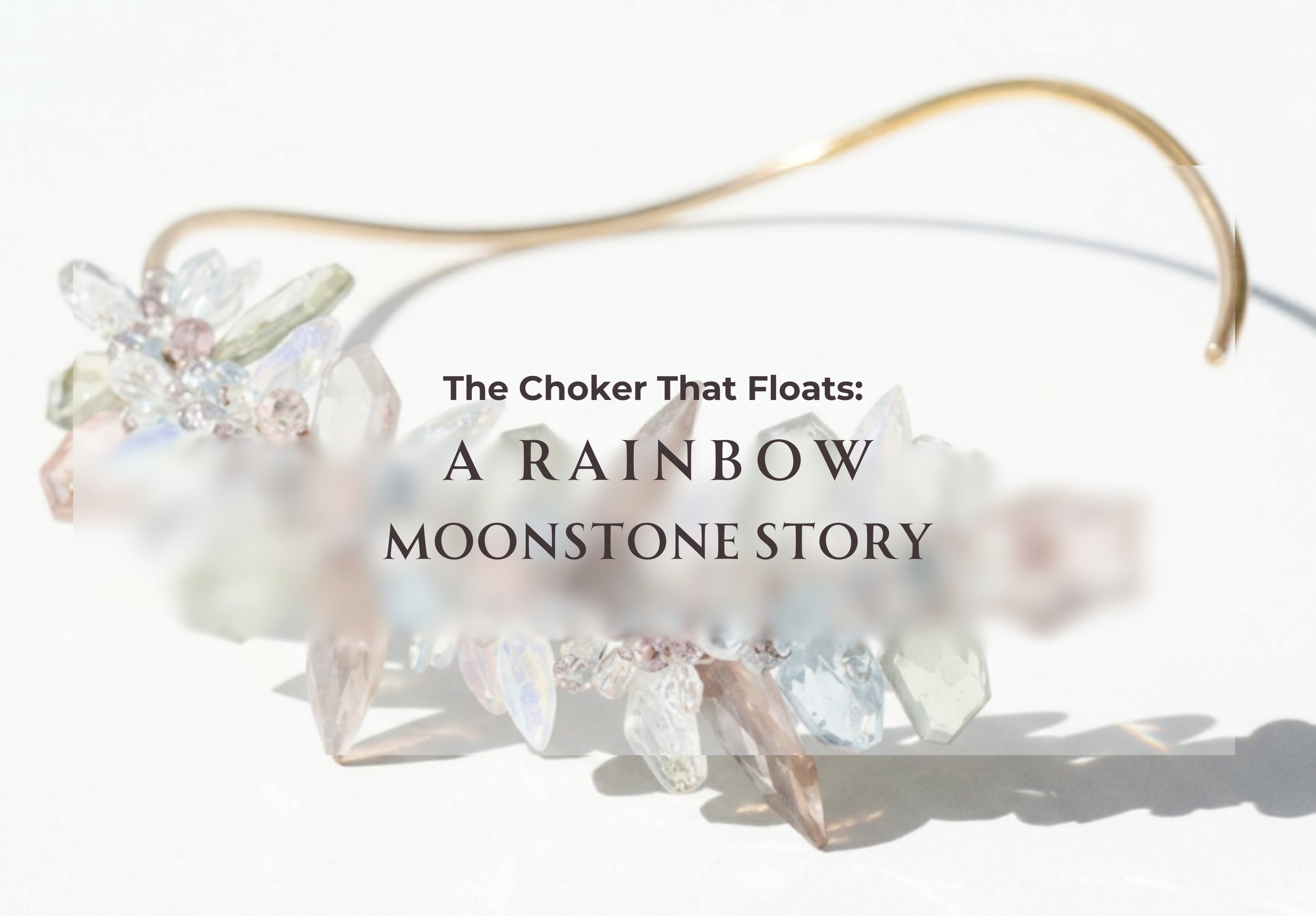
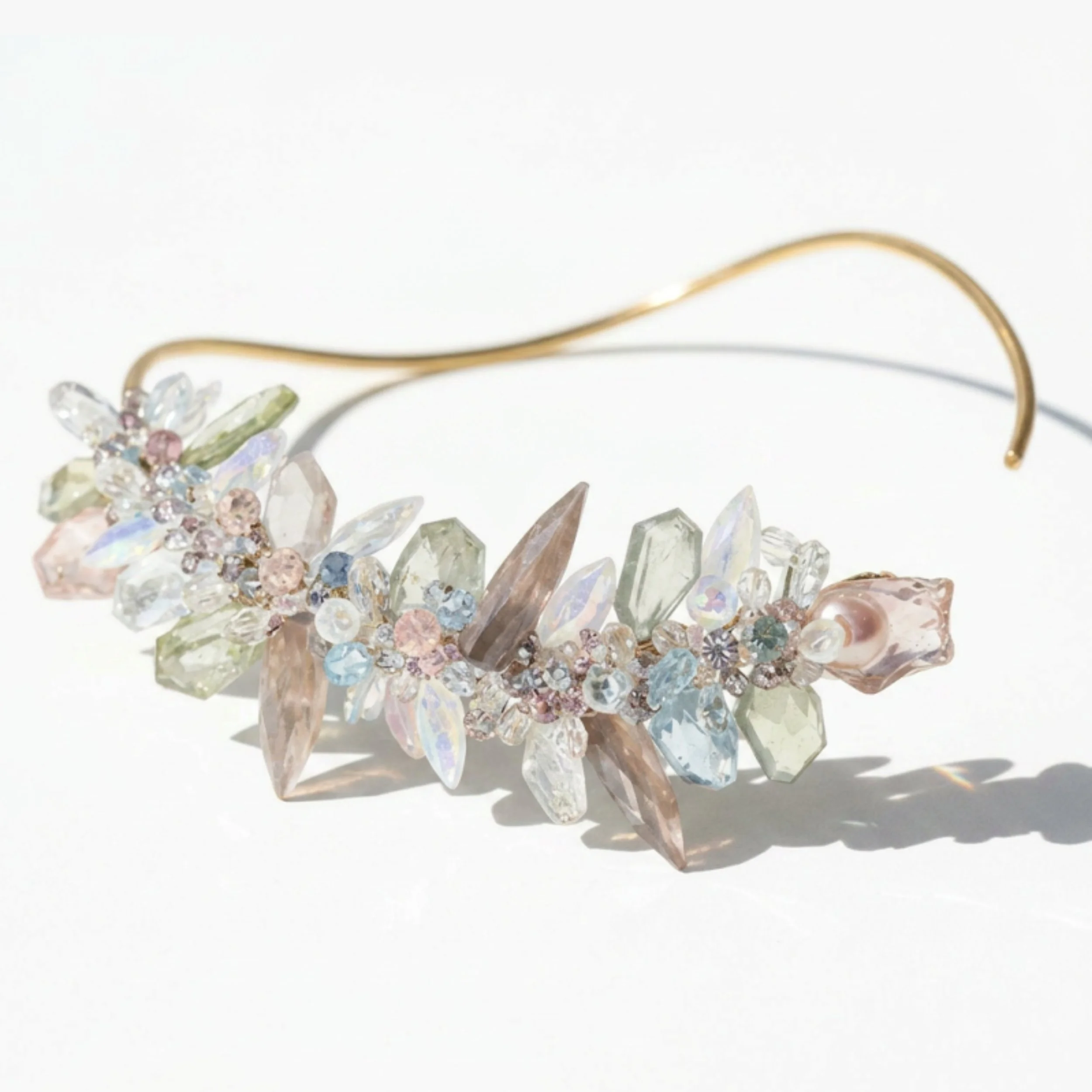
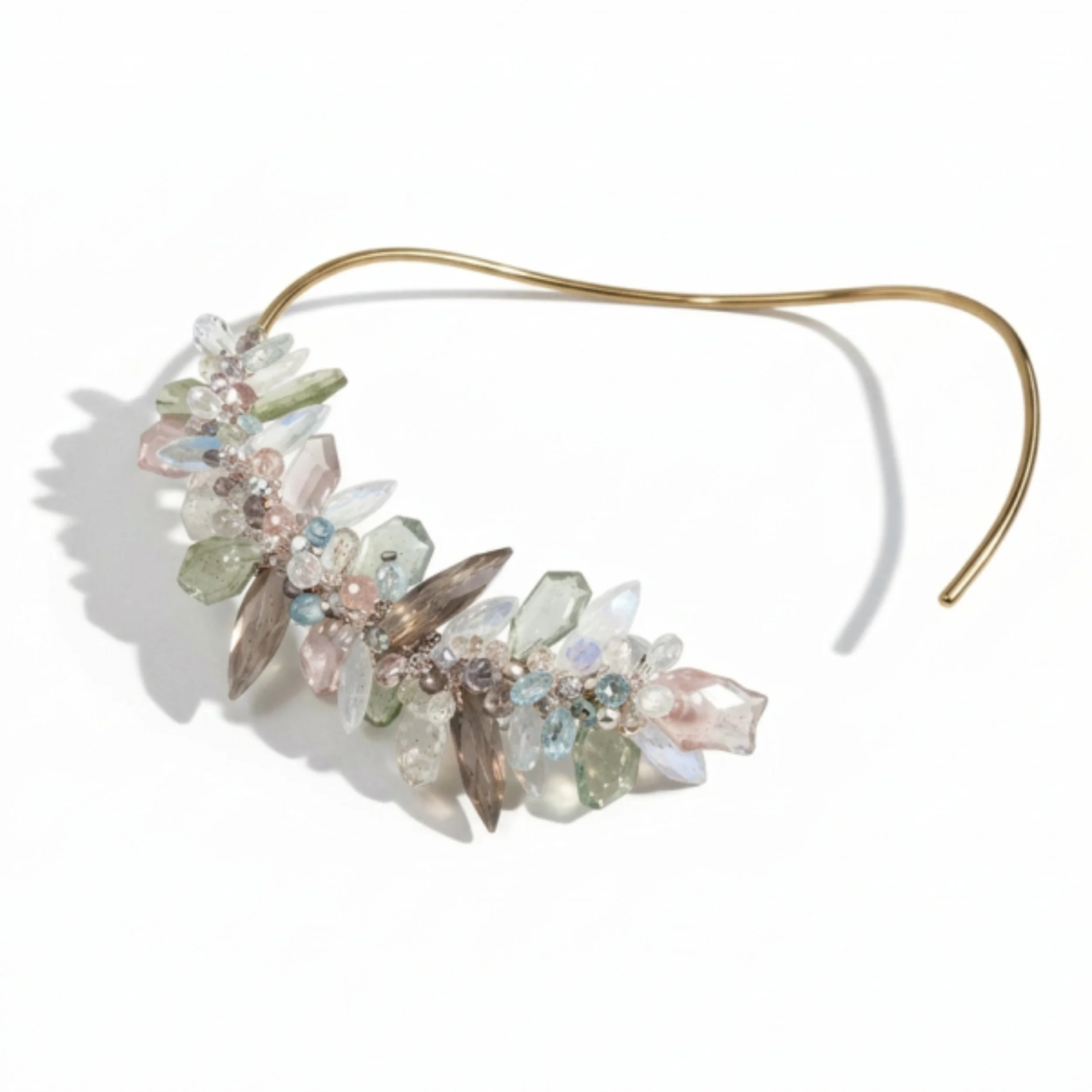
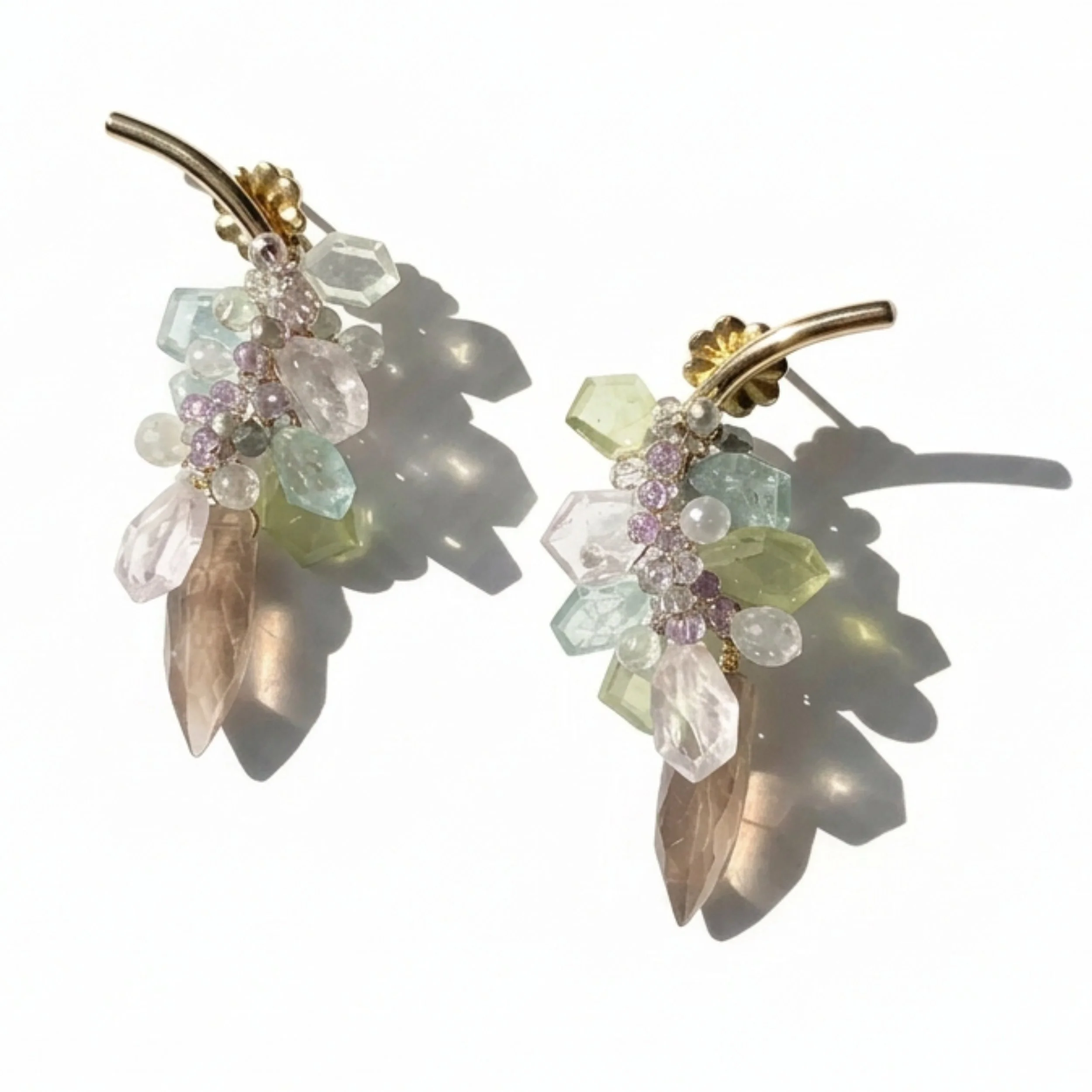
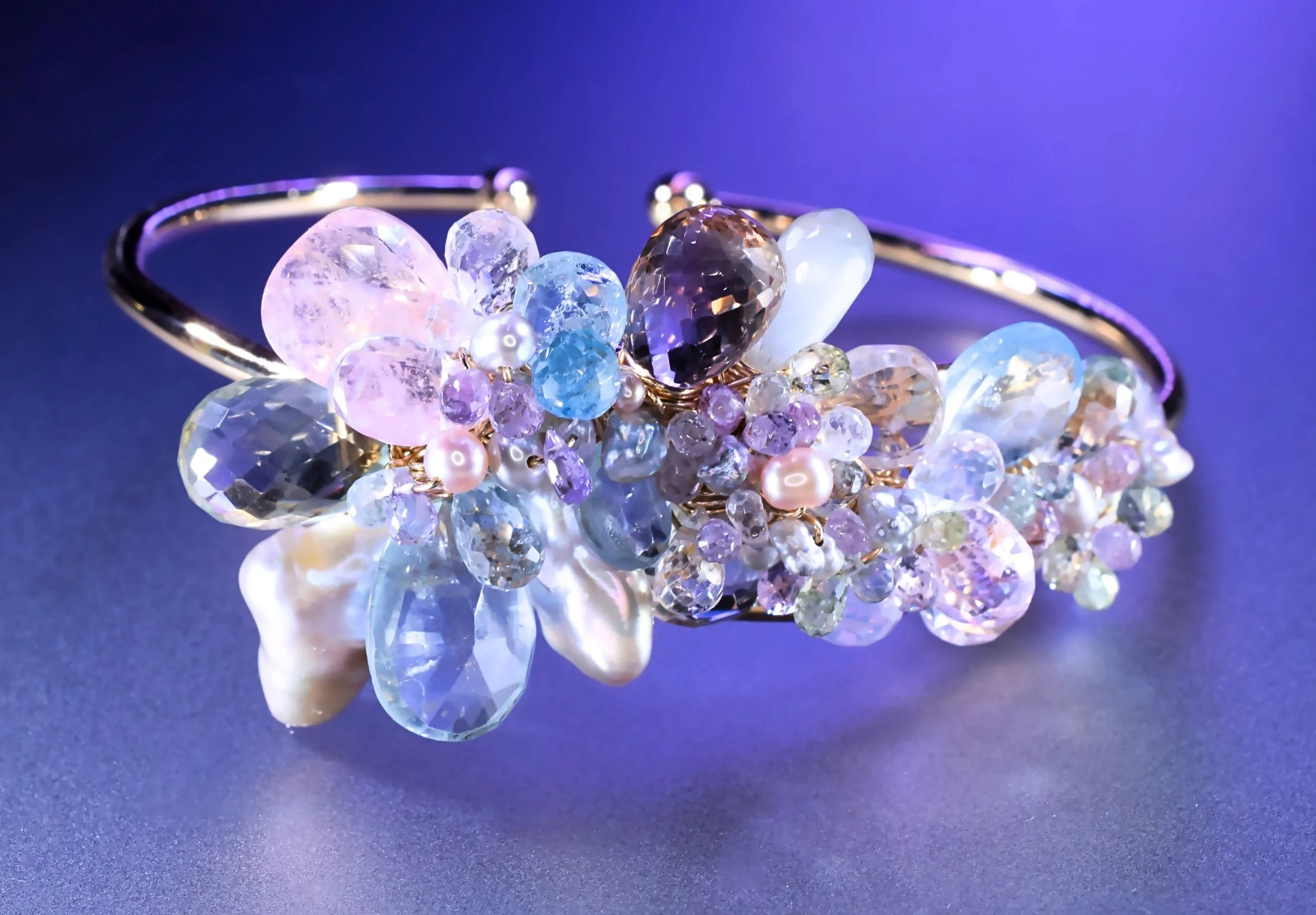
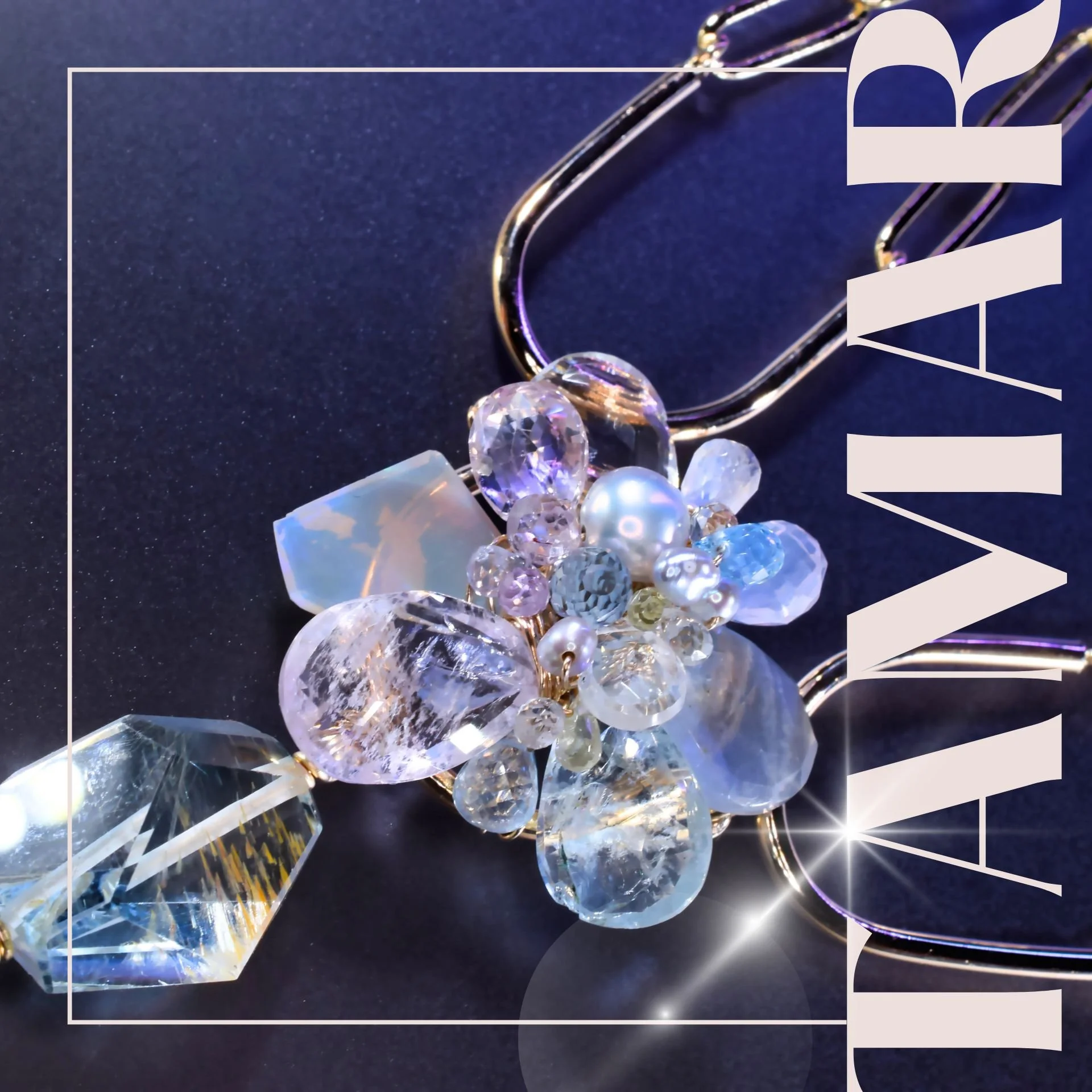
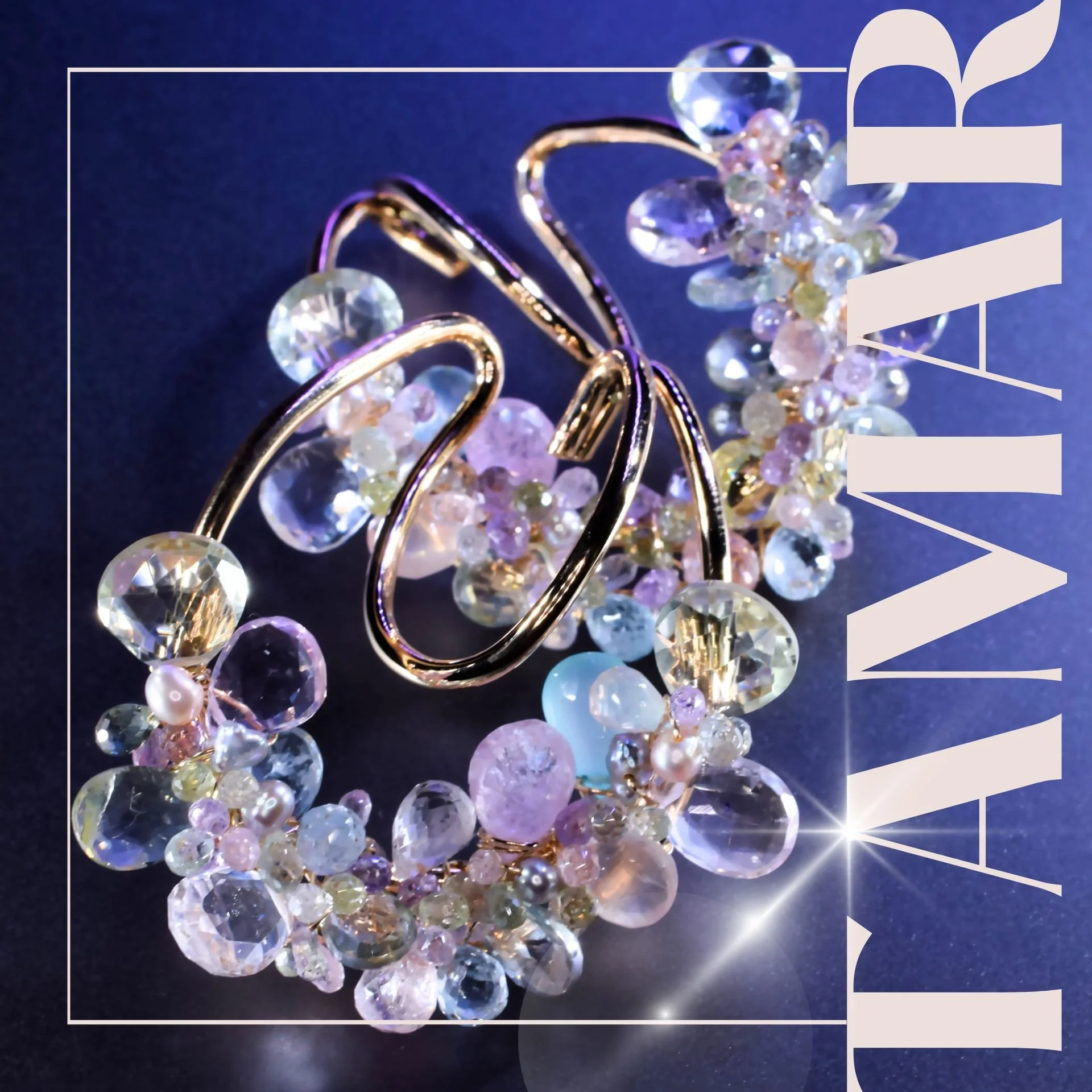
Tamar started with a question: how do you capture the essence of the floral without it reading as jewelry pretending to be a flower? I wanted petals that suggested rather than depicted. Stones that weren't trying to be the bloom but to be the way the bloom looked at dawn — pearled, watercolored, soft at the edge. That meant choosing aquamarine over diamond, moonstone paired with softly colored sapphires, accented by freshwater and Akoya pearls. All three have the quality of being lit from within rather than reflecting light.


When I see Mrad's beading, I recognize that same choice. She isn't trying to make a beaded flower. She's trying to make the look of a flower at a particular hour, in a particular slant of garden light. The beadwork isn't decoration. It's the medium as the brushstroke.


That's the parallel I'd not have spotted from a distance. Up close, it's the same eye.

Portrait of a red-haired woman in a white pleated gown, viewed from behind, wearing delicate back-draped jewelry against a soft blue backdrop.

Where the work diverges: cold connection

Here's where the fabrication languages actually diverge and where my training shows.


Couture textile, the kind Mrad does, is inherently additive. You build a surface bead by bead, stitch by stitch, embellishment over embellishment. Heat is rarely the issue; needle and thread are. The craft accumulates.


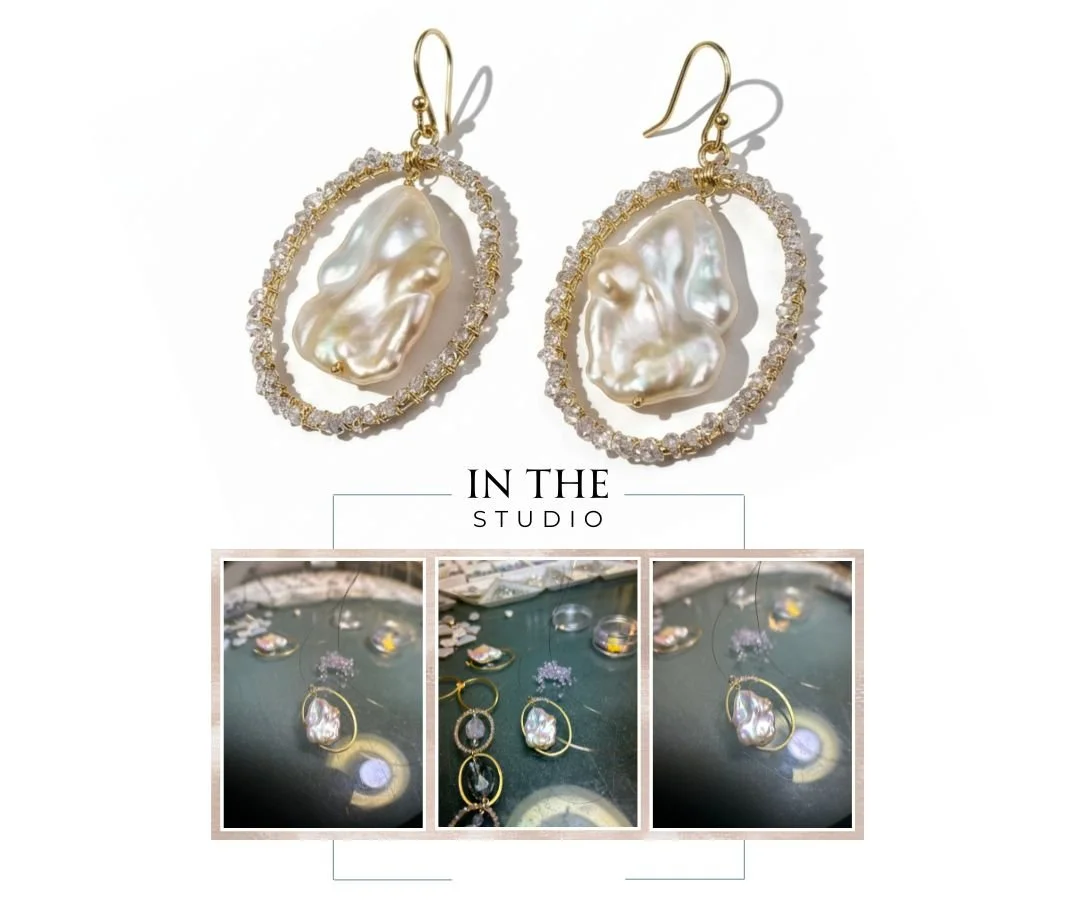
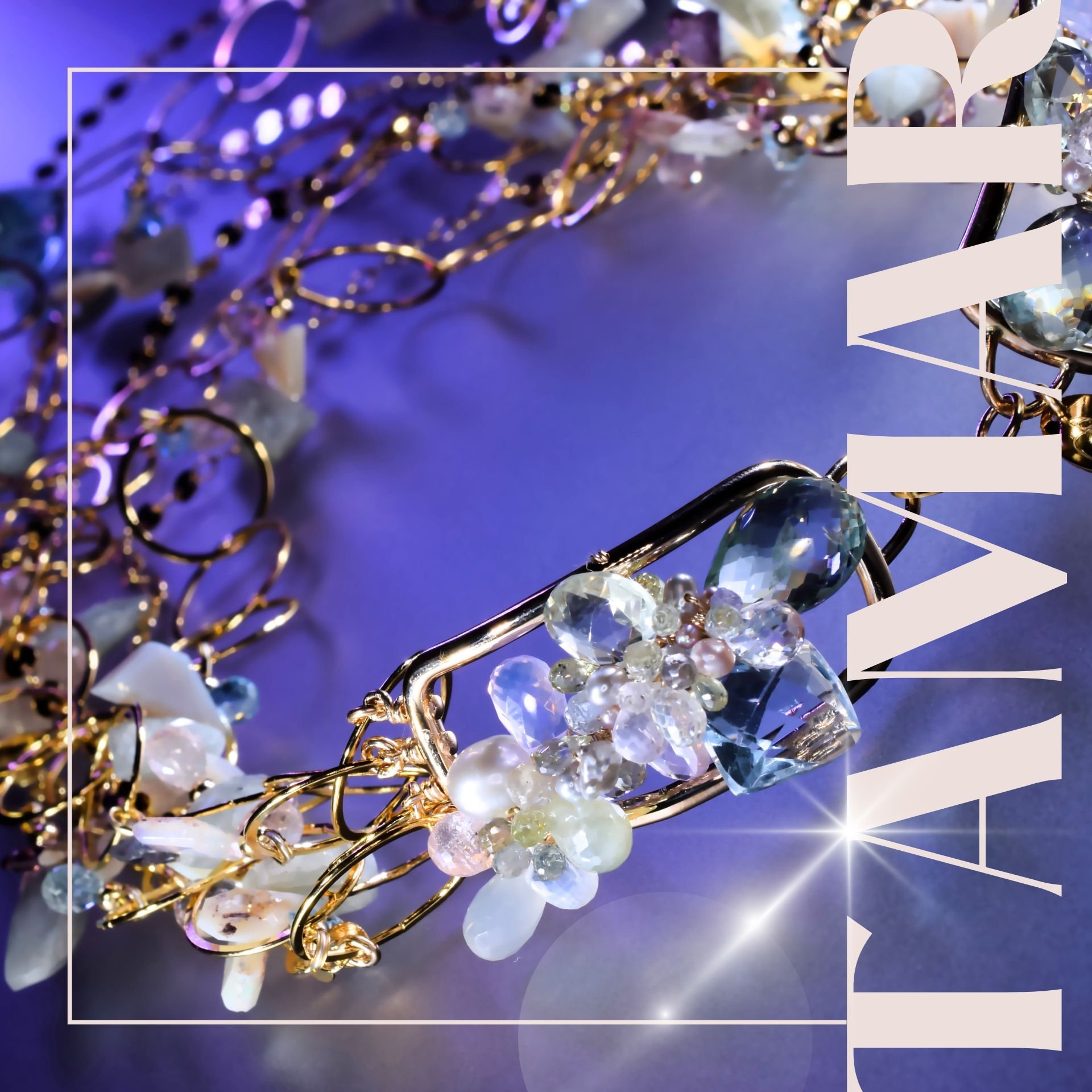
My Tamar work uses what I call cold connection — not the entire fabrication process, just the gemstone-assembly portion. I build pieces using wire wrapping, hand-baling, and beading using crimps and crimp covers. No heat at any stage when I’m building these intricate gemstone clusters. Heat would damage the stones, and the rest of the construction follows the same logic: every connection is hand-built, mechanical, visible. This is where I employ soldering and bench fabrication. This builds a unique foundation for integrating my gemstone clusters and ensures the entire design is completely novel. When I integrate a commercial chain into a piece, I embed it so deeply through wire wrap and bail work that it becomes unrecognizable as a stock element.


The process: each stone arrives pre-drilled by the lapidary who cut and polished it. Sometimes I have to widen that hole with a diamond-bit drill so the wire I'm wrapping with can pass through cleanly. Then I wrap. One stone, one decision, one knot at a time, building outward into a cluster that has to flow as a piece of design even though it's been assembled bead by bead. Hand-bailing chain, wrapping individual rondelle beads onto a chain to form a gemstone-beaded chain, is the same technique applied to chain construction.


It demands planning many moves ahead. You're committing each stone's placement before you've placed the next twelve. There's no covering up your decisions afterward. Every wrap is visible. Every cluster shows the maker's hand.

Here's what didn't occur to me until I saw Mrad's work: she's doing the same thing. Single bead at a time. Pre-strung, pre-counted, planned ahead, no covering up the decisions. The unit is different (bead vs. gemstone), the medium is different (textile vs. metal+stone), but the fabrication philosophy is identical. Additive. Sequential. Hand-built. No casting, no molding, no shortcuts. The visible maker's hand is the point.


That's the parallel. Not just "Monet inspires both." The structural commitment to assembling a painterly surface one unit at a time, beadwork on couture, gemstone wire-wrap on Tamar, is the same craft language pointed at the same problem.

Full-length portrait of a red-haired woman in a flowing white gown, standing barefoot against a dreamy pale blue backdrop with sheer drapery.


What this means for how to wear it

If you're someone who tracks couture, who knows the difference between a Mrad and an Iris van Herpen, between a Schiaparelli embroidery and a Valli gradient, then your jewelry is part of that vocabulary too. It's reading from the same library.


The Tamar collection isn't trying to compete with couture. It's trying to live alongside it. A Tamar piece worn with a watercolor silk dress, an Impressionist-era pearl strand, and soft palette eyeshadow, it reads as one continuous design language. Worn against a sharper, more architectural piece (a Saint Laurent suit, a Mugler corset), it provides a counter-note: softness against structure, Monet against Mondrian.


The point isn't matching. It's literacy. Fine jewelry done well is a paragraph in a longer sentence about how you see the world.

Featured Tamar pieces


Six current Tamar pieces that carry the most of what I'm describing here, and what is featured in my recent shoot.

When you want a piece in this language


If you've read this far and what you actually want is a Tamar-spirited piece made for you, that's the custom shop. Cold-connection cluster work takes time, and one-of-a-kind means I'm not pulling something off a shelf. We start with the stones, what speaks to you, what suits your hand, what sits inside your wardrobe's color story, and build outward, one wire-wrap at a time.


This isn't a bigger or smaller version of an existing piece. It's a piece that's only yours. Different from couture, where Mrad makes one dress and another version is essentially impossible, but rhymes with it. Bench-built, hand-set, made once.


A note on cross-references


I'm going to write more of these. The fashion world has spent a hundred years thinking about how decoration creates meaning, and most of fine jewelry hasn't caught up yet. I want to bring some of that vocabulary back into how we talk about pieces. If you have a designer or a collection you'd like me to read through this lens, send it to me. I'll add it to the queue.

Frequently Asked Questions

Cold connection refers specifically to the gemstone-assembly portion of Andrea's process. Pre-drilled lapidary stones (sometimes widened with a diamond-bit drill) are wire-wrapped, hand-bailed, and secured with crimps and crimp covers into floral, pastel-textured clusters with no heat at the stone-assembly stage. Hand-bailing chain, wrapping individual rondelle beads onto a chain to form a gemstone-beaded chain, uses the same technique. The structural foundation of each piece is built separately using soldering and bench fabrication, creating a novel base for integrating the cold-connection gemstone clusters. When a commercial chain is incorporated, Andrea embeds it so deeply through wire wrap and bail work that it becomes unrecognizable as a stock element. Every connection in the cluster work is hand-built and visible; the maker's hand shows in every wrap.

Both designers draw on Monet's Impressionist palette and the technique of suggesting rather than depicting flowers. Both build painterly surfaces through additive single-unit assembly: Mrad bead by bead in textile and beadwork, Andrea stone by stone in wire-wrapped gemstone clusters. The aesthetic vocabulary, soft-edge color, watercolor light, restraint over depiction, is shared. The fabrication languages couldn't be more different on the surface, but the structural craft commitment is the same.

Yes, through the custom shop. Commissioned pieces are bench-built using cold-connection cluster work (no two are alike) and start with stone selection. Timeline depends on stone availability and design complexity; typical commissions take several weeks from first conversation to finished piece.

Stones lit from within rather than ones that reflect light outward. Aquamarine, moonstone, softly colored sapphires, and freshwater and Akoya pearls all carry that quality. These stones have a luminous, translucent character that reads as painterly rather than architectural. The Tamar lens favors translucence and softness over high-refraction brilliance.

Love What You See? Keep Finding Us.

Google now lets you choose your favorite sources so they show up labeled in AI search answers. If you enjoy discovering handcrafted gemstone jewelry here, add Andrea Li Designs and we'll be easier to find next time you search.

Add Andrea Li Designs as a Preferred Source

One click. Works across Google Search, AI Overviews, and AI Mode.
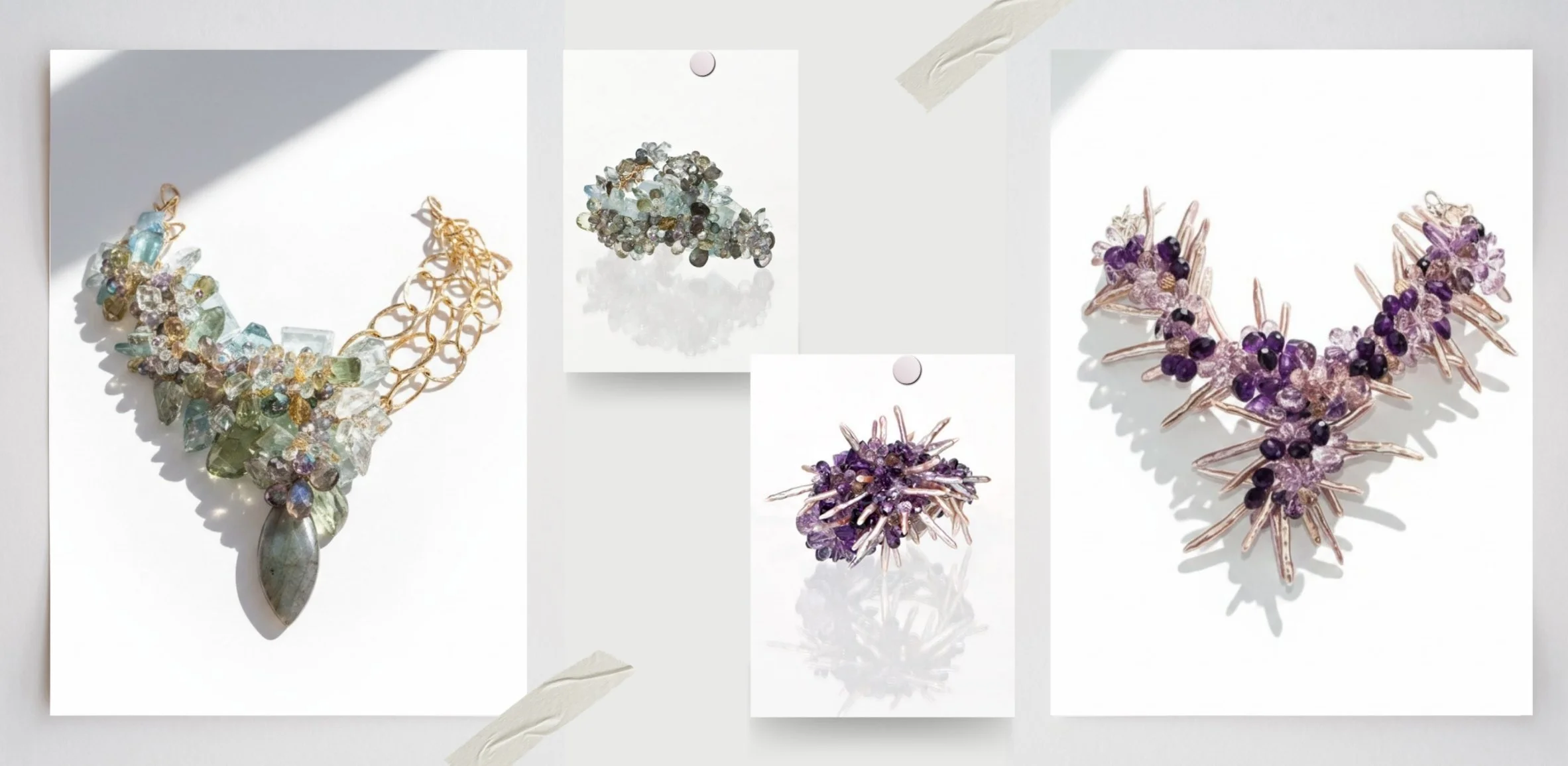
Credits

Studio Stories: The Eternity Circle Ring - A Ring Forged in Fire

WeddingAndrea Li
Client story graphic for Teresa’s bride engagement ring, featuring elegant script text, a vintage-style snapshot of a smiling couple, and soft blush floral accents with the words “A Love Story” on a light textured background.

A custom engagement ring hand-carved from wax, cast in solid 14k gold, and set with 3.9 carats of champagne diamonds

This story hits close to home. The commission came from John, who at the time was dating my husband's mother. His first message was simple: he'd been thinking about rings. Could I make one by mid-February?

I told him to send over some ideas. Pinterest is a great place to start for inspiration. What followed was a months-long collaboration that became one of the most technically demanding and personally meaningful pieces I've ever made.
The stolen ring

Before I could carve anything, I needed Terri's ring size. There was just one problem: this was going to be a surprise.
I asked John if he could mail me one of her rings so I could size it, promising I'd send it back before she noticed it was gone. He was traveling in Albuquerque at the time ("Filming an episode of Breaking Bad, no doubt," I texted him. "Say hello to Bryan Cranston for me — we go way back.") and couldn't get to a ring right away.

When he finally measured, his first estimate was a size 8. That sounded big. I told him I needed to validate it with proper ring sizers at the academy. His response: "I'm off to the jewelry store with the stolen ring. Stay tuned!"

He came back with the answer: 7 to 7.5. I knew the design would be a wider band, and wider rings can get away with a slightly larger size, but for a thinner ring like this one, a straight 7 was the call.

The logistics of secretly sizing someone's ring while they're not looking is one of those behind-the-scenes moments that never make it into a product photo. But it's the kind of thing that makes a custom engagement ring feel like a conspiracy between the designer and the person who loves her.

Carved from wax, cast in fire

Most of my work involves wire-wrapping, fabrication, and gemstone setting at the bench. This ring required a different process entirely: lost wax casting.

I started by hand-carving the ring from a block of jeweler's wax, shaping the angular, geometric form one cut at a time. Wax carving is unforgiving work. There's no undo, no solder joint to reflow. Every facet of the ring's architecture had to be resolved in wax before it ever touched metal.

Three side-by-side inspiration photos show jewelry-making materials and ring design stages, including loose gold and silver beads, a hand-carved blue wax ring model, and a finished gold ring casting displayed on a workbench.

Once the wax model was finished, I cast it using the lost wax method, a technique that's been used for thousands of years. The wax original is encased in plaster, heated until the wax melts away, and then molten metal is poured into the void left behind. The wax is lost. The metal takes its place. What remains is a solid 14k gold ring, one continuous piece with no seams, no joins, no assembly.

I was studying metalsmithing at a local academy at the time, which gave me access to the casting equipment. The ring went from my hand-carved wax to a rough gold casting to a finished, polished piece, all under my hands.

The champagne diamonds

For the stones, I chose champagne diamonds: 3.9-carat C1-C2 grade briolettes that I'd sourced from one of my vendors at the Tucson Gem Show. Champagne diamonds have a warmth that white diamonds don't. They glow rather than flash. Against the angular geometry of the solid gold band, they softened the ring's sharp lines without diminishing its presence.

The diamonds are set in a crown formation at the top of the ring, clustered briolettes that catch light from every direction. The contrast between the sculptural gold architecture below and the organic diamond cluster above is what gives the piece its tension. It's structural and alive at the same time.

"Holy cow. Wow. I have no words."

Four product views of a modern gold statement ring featuring a sculptural band and a cluster of champagne-toned gemstones, shown from multiple angles against a soft neutral background.

That was John's text when I sent him photos of the finished ring. Then: "Gorgeous!!" Then: "You are a love." Then a string of emojis that told me everything I needed to know.

I apologized that it had taken longer than expected, the project started before Valentine's Day, but I'd only had the bandwidth to finish it after. The ring never left my mind, though. I'd tried to incorporate a little mid-century modern into the design, and those champagne diamonds had turned out even more striking than I'd imagined against the angular gold.

John debated whether to show her the photos or wait and surprise her. He chose to wait.

A few months later, I was in San Francisco for my Pinterest presentation at their headquarters. My husband and I stayed with John and Terri. The ring was on her finger. The ceremony, intimate and lovely, happened shortly after.

Seeing my work on the hands of someone in my own family, at their wedding, knowing the weight of what that ring represents to them, is a different feeling than shipping a piece to a client across the country. It's closer. It stays with you.

What this piece represents

I don't currently offer lost wax casting as a standard service; the equipment lives at the academy where I studied, and my practice has evolved in other directions since then. But this ring is proof of what's possible when the commission demands it: hand-carved wax, solid gold casting, diamond-grade gemstone sourcing, and the kind of structural design that most independent jewelers send out to a casting house.

Every piece I make is built by my hands. Sometimes that means wire and gemstones at the bench. Sometimes it means carving wax and pouring molten gold. The method follows the vision, not the other way around.

The piece: Eternity Circle, solid 14k gold ring, hand-carved wax casting, 3.9 carats C1-C2 champagne diamond briolettes. The process: Wax carving → lost wax casting → gold finishing → diamond setting. The occasion: A love story, symbolizing the strength of a bond that is everlasting

Every piece Andrea Li makes is one of a kind. If you have a vision that requires something beyond what you've seen before, get inspiration for your project or fill out the form to start a conversation.

Love What You See? Keep Finding Us.

Google now lets you choose your favorite sources so they show up labeled in AI search answers. If you enjoy discovering handcrafted gemstone jewelry here, add Andrea Li Designs and we'll be easier to find next time you search.

Add Andrea Li Designs as a Preferred Source

One click. Works across Google Search, AI Overviews, and AI Mode.